About All Tours DMZ & JSA ToursHalf Day ToursPrivate ToursGamaksan Suspension BridgeThird Tunnel Tours Directions Hours & Fees
Find Tours 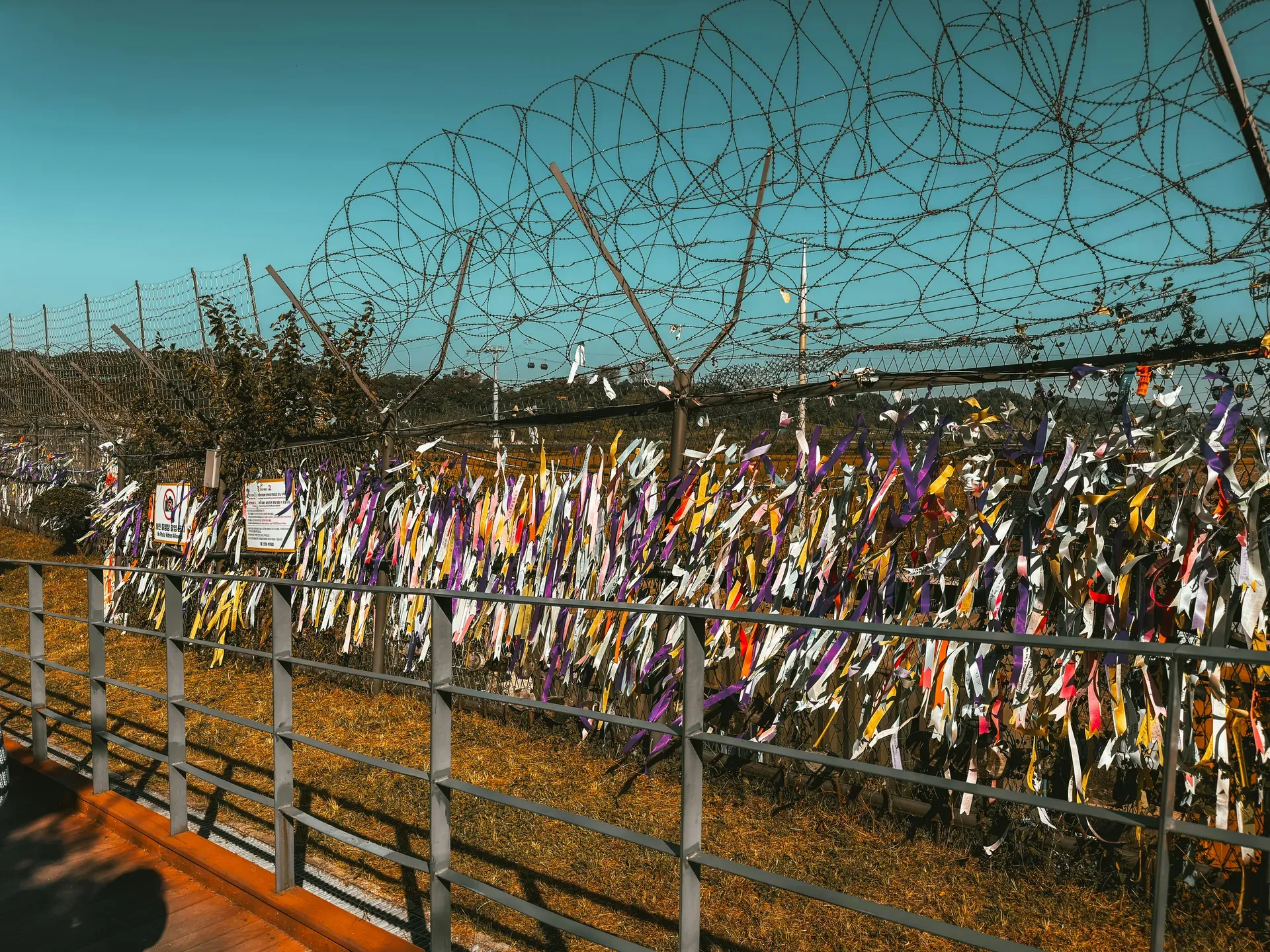
Spanning 248 kilometers across the 38th parallel, the Korean Demilitarized Zone (DMZ) stands as the last remaining frontier of the Cold War. Visitors can peer into North Korea from the Dora Observatory or descend 73 meters underground into the secret 3rd Infiltration Tunnel.
Find Guided ToursThe Korean Demilitarized Zone (DMZ) is a 248-kilometer-long and 4-kilometer-wide buffer zone separating North and South Korea. Established on July 27, 1953, under the provisions of the Korean Armistice Agreement, it was created to cease hostilities of the Korean War. The zone acts as a physical barrier across the 38th parallel, extending exactly two kilometers on either side of the Military Demarcation Line.
Despite its name, the DMZ is the most heavily fortified border in the world. It is lined with landmines, barbed wire, and active military personnel. However, the strict prohibition of human habitation over the decades has inadvertently transformed the landscape. Today, the restricted area functions as one of the most pristine temperate ecological sanctuaries in Asia.
The zone remains globally recognized as the last frontier of the Cold War. It serves as a site of intense geopolitical significance where the two Koreas remain in direct confrontation. This tension is most visible at the Joint Security Area (JSA), an 800-meter-diameter compound where soldiers from both nations stand face-to-face. The JSA has been the focal point of major historical events, ranging from the 1976 Axe Murder Incident to the historic 2018 Inter-Korean Summit.
Beneath the surface, the history of conflict continues. North Korea secretly dug multiple infiltration pathways beneath the border, with four tunnels discovered to date. The 3rd Infiltration Tunnel, found in 1978, sits 73 meters underground. Measuring 1,635 meters in length, military engineers designed it to move up to 30,000 soldiers per hour.
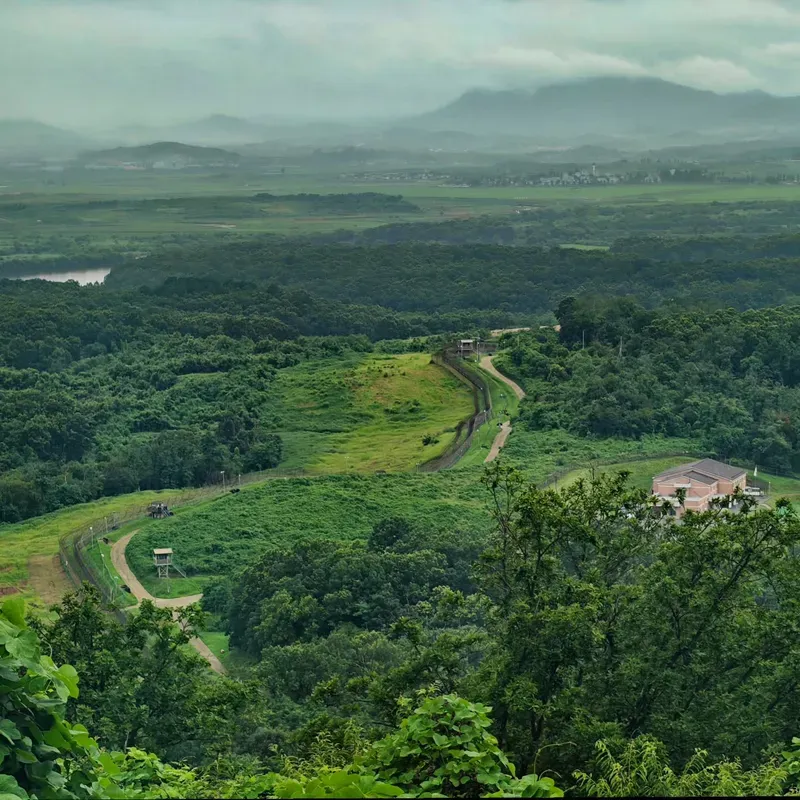
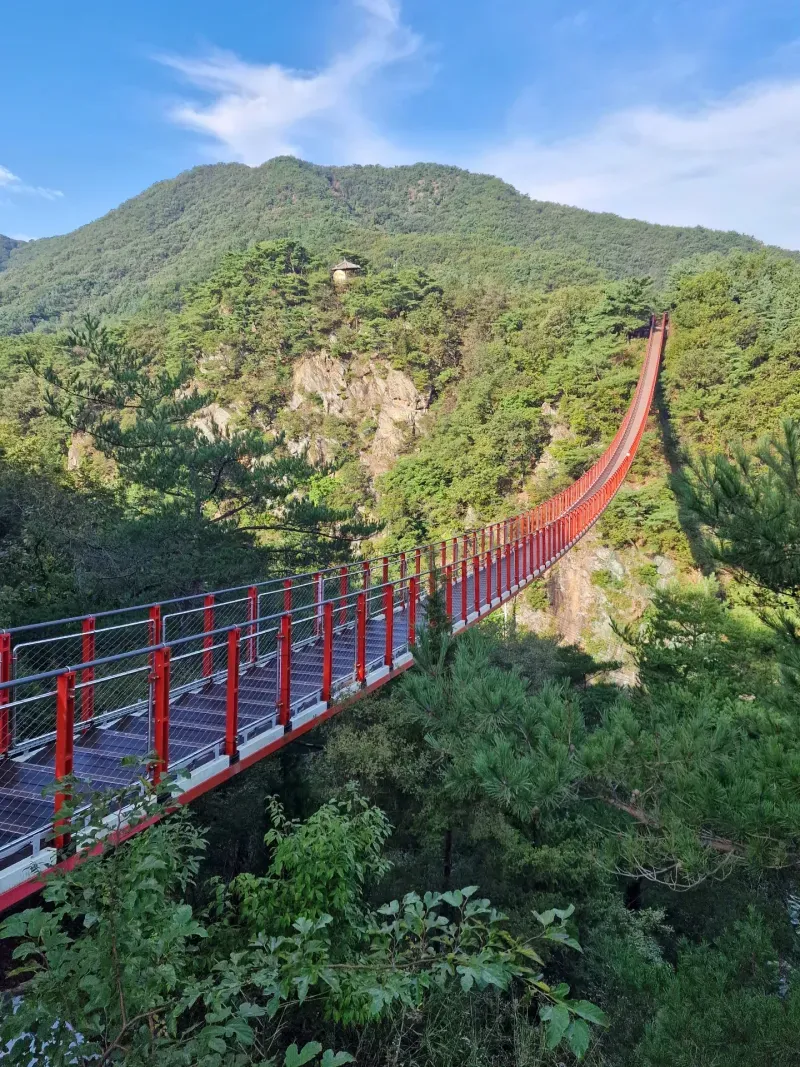
Discover the full history and cultural significance on our About page.
Walk 73 meters underground into a secret military passage discovered in 1978. The damp, steep pathway stretches for 1,635 meters. North Korea originally designed this covert route to move up to 30,000 soldiers per hour beneath the heavily fortified border.
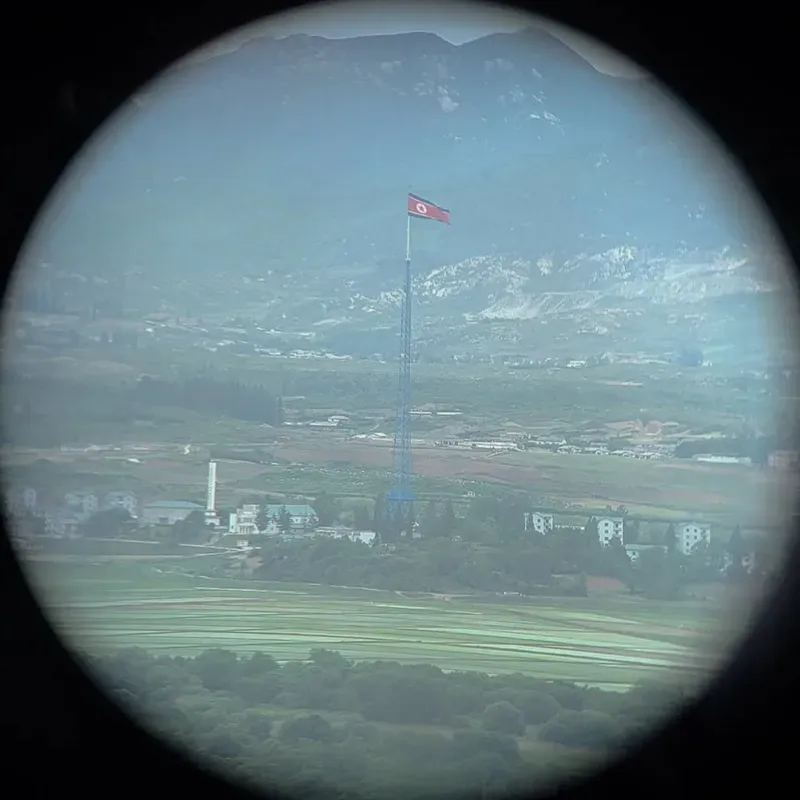
Visitors use high-powered binoculars from Dora Observatory to observe life in North Korea. On clear days between April and June, you can spot the city of Gaeseong, the Kijong-dong propaganda village, and local farmers working the fields across the four-kilometer-wide buffer zone.
Enter the 800-meter diameter diplomatic compound where North and South Korean soldiers stand face-to-face. This active military site requires strict dress codes and military escorts. You can witness the exact physical confrontation line established after the July 27, 1953 armistice agreement.
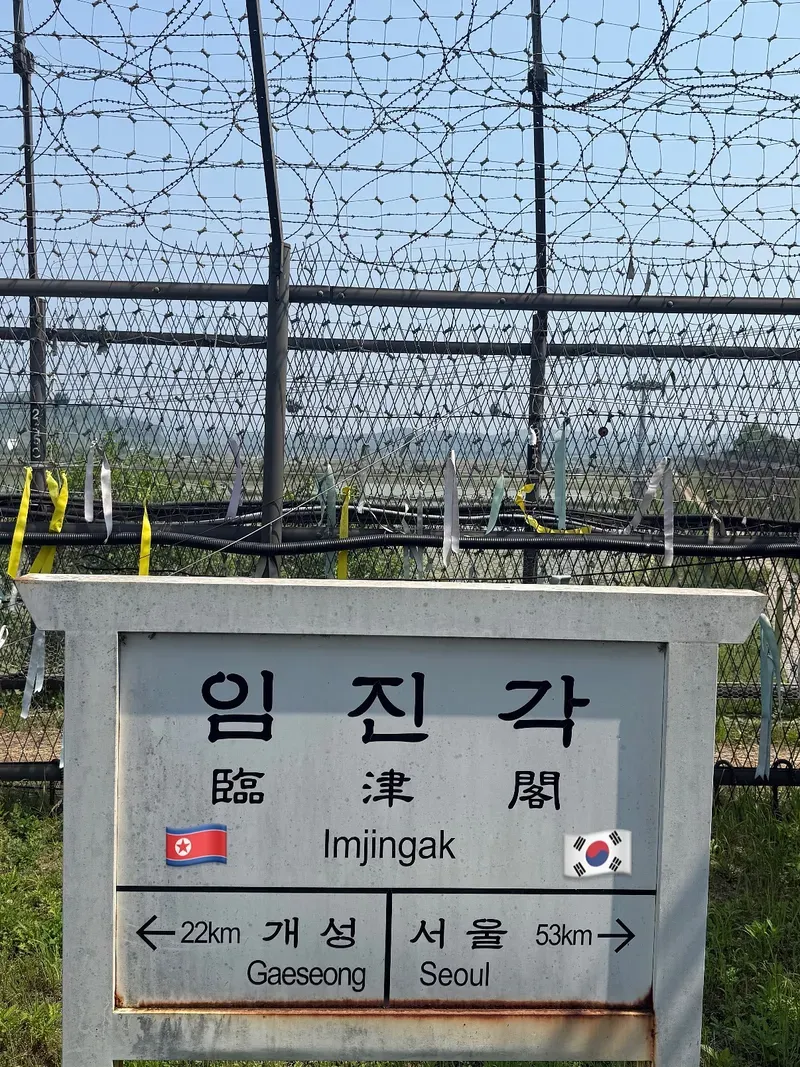
Walk the historic wooden structure located at Imjingak Park. Following the end of the war, nearly 13,000 prisoners of war crossed this exact path to return to South Korea. The surrounding park features war memorials and serves as the primary starting point for authorized tours.
Hand-picked tours with free cancellation and verified reviews
 Free Cancellation 6h
  Free Cancellation 5h
  Free Cancellation
 ![[DMZ Adventure] DMZ and optional Boat Voyage in River](https://media-cdn.tripadvisor.com/media/attractions-splice-spp-480x320/11/f8/b9/f9.jpg) Free Cancellation
Free Cancellation  Free Cancellation
  Free Cancellation
  Free Cancellation 7h
  Free Cancellation
 The ideal times to visit the DMZ are from April to June and September to November. These periods provide mild weather and the clear visibility necessary for viewing North Korea from the observatories.
Mild weather and clear skies make this an optimal time for observatory views. Favorable conditions reduce the chance of fog, ensuring North Korean border areas remain visible through binoculars.
Heavy monsoon rains and high humidity dominate these months. Poor weather frequently causes fog, reducing visibility to zero at the observatories and making outdoor exploration highly uncomfortable.
Temperatures are mild and visibility is consistently clear. This is an excellent window for looking across the border and navigating the steep, 11-degree incline of the 3rd Infiltration Tunnel.
Extreme cold and potential snow closures affect accessibility, particularly in January and February. Harsh weather can lead to hazardous conditions on steep paths and potential disruptions to tour operations.
Ticketing operates from 09:00 to 14:30, and the Dora Observatory is open from 10:00 to 17:00. All sites are closed on Mondays and public holidays.
| Category | Price |
|---|---|
| General Admission | 12,200 KRW |
Access to the 3rd Tunnel, Dora Observatory, and JSA requires an official guided tour. Daily visitor quotas are strictly limited. JSA tours must be booked 7 to 14 days in advance through authorized travel agencies. If attempting to buy on-site tickets for the 3rd Tunnel, arrive at Imjingak Park before 09:00.
For complete schedules and ticket prices, visit our Hours & Fees page.
The Korean Demilitarized Zone is located approximately 52 kilometers from central Seoul. Visitors can reach the site via public transit to Imjingak Resort or through authorized organized tours, which are mandatory for accessing restricted military areas.
The DMZ Peace Link Train departs from Seoul Station and travels directly to Dorasan Station. This service resumed operations on April 10, 2026, following a 6.5-year hiatus. It runs four times a month, operating exclusively on Fridays. The 52-kilometer route provides a direct rail connection to the northernmost railway station in South Korea.
Visitors can take bus number 7300 departing from Hongik Univ. Station. This 50-kilometer route provides direct transportation to Imjingak Resort, which serves as the starting point for all DMZ tours. The service operates exclusively on weekends and public holidays. It represents the most economical method for reaching the border zone before joining an official guided tour.
Authorized tour buses depart from central Seoul locations, primarily Myeongdong and Hongdae. The 55-kilometer drive takes about one hour to reach the border zone. The fee covers round-trip transportation, an official guide, and entrance tickets for key sites like the 3rd Infiltration Tunnel and Dora Observatory. Official tours are mandatory for entering military-controlled areas.
For detailed transport options and routes, visit our Directions page.
Access to the Joint Security Area requires booking through an authorized travel agency at least 7 to 14 days in advance. Daily visitor quotas are strictly limited and sell out rapidly. Secure your spot early to avoid missing this 800-meter diameter zone.
A valid physical passport is mandatory for all foreign visitors. Military personnel check identification at multiple checkpoints before granting access. Digital copies or photographs on your phone will result in denied entry. Keep your document easily accessible throughout the tour.
The 3rd Infiltration Tunnel requires descending 73 meters underground via a steep 11-degree incline. The walking surfaces are often damp, uneven, and slippery. Wear sturdy walking shoes to navigate the 1,635-meter passage safely. Visitors with heart conditions, claustrophobia, or mobility issues should skip this section.
The Joint Security Area enforces a strict dress code. Military officials prohibit ripped jeans, camouflage clothing, sleeveless shirts, miniskirts, and sandals. General areas like the Dora Observatory permit casual attire. Note that children under 12 are entirely restricted from entering the JSA due to safety protocols.
Plan your trip between April and June or September and November. Heavy monsoon rains in July and August disrupt visibility, while January and February bring extreme cold and snow closures. Foggy conditions will reduce visibility from Dora Observatory to zero. If buying on-site tickets at Imjingak, arrive before 09:00.
The military can suspend or cancel tours without prior notice due to sudden security incidents or drills. This applies especially to the JSA. When booking, review the itinerary to avoid operators that pad the 7 to 9-hour day with unwanted stops at ginseng or amethyst centers.
This park serves as the primary starting point for all guided border tours. It features fully accessible flat paths, the Peace Bell, and various war memorials.
Recognized as one of the longest suspension bridges in Korea, this structure provides wide views of the surrounding mountains. It is a popular outdoor stop located a short drive from the border.
This large luxury shopping mall is frequently visited on the return trip to Seoul. It provides an easy place to rest and shop after completing a 7 to 9 hour full-day tour.
Read what travelers share about their experience visiting DMZ — from practical tips to personal highlights.
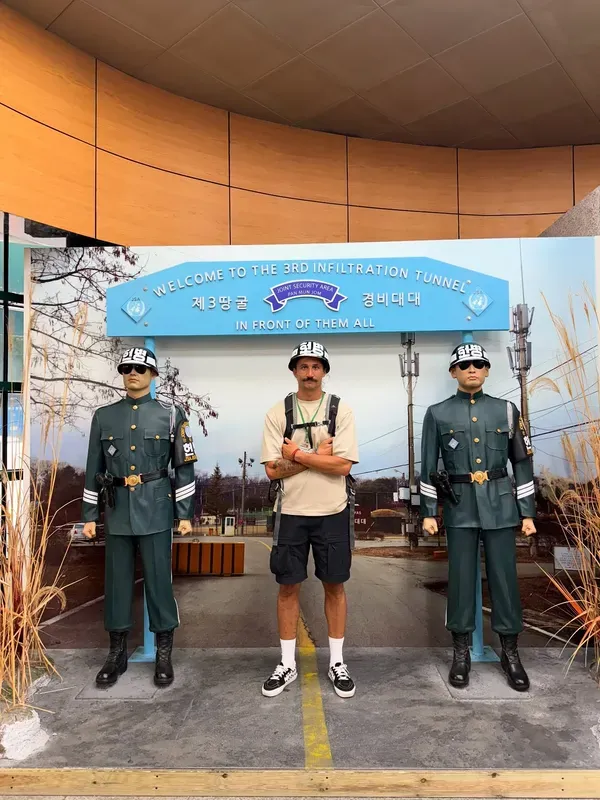
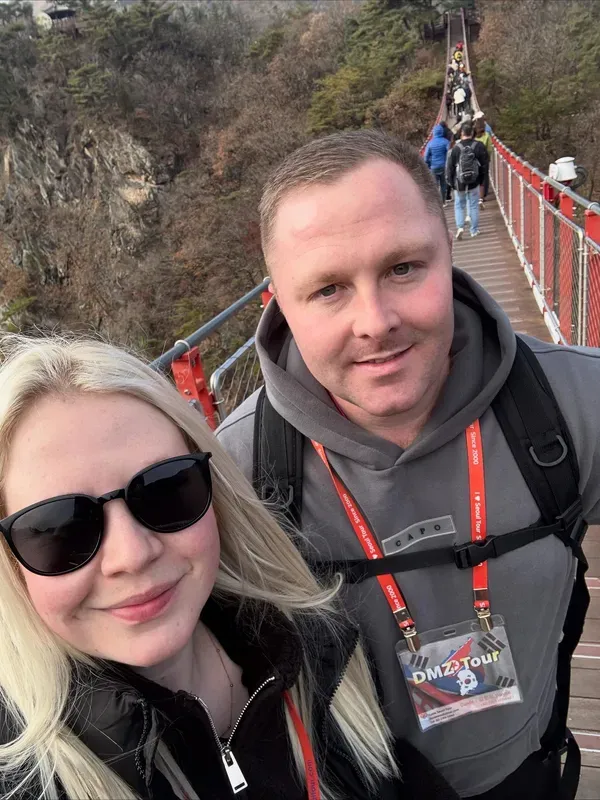
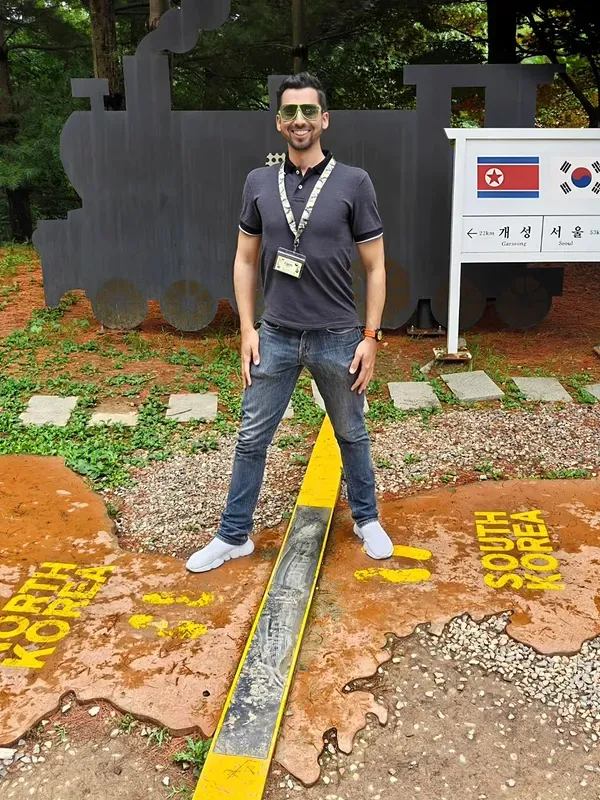
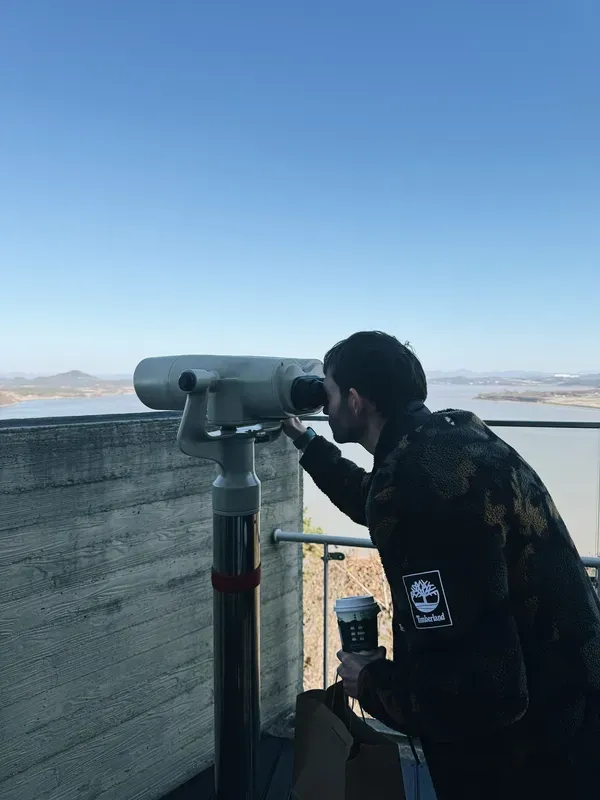
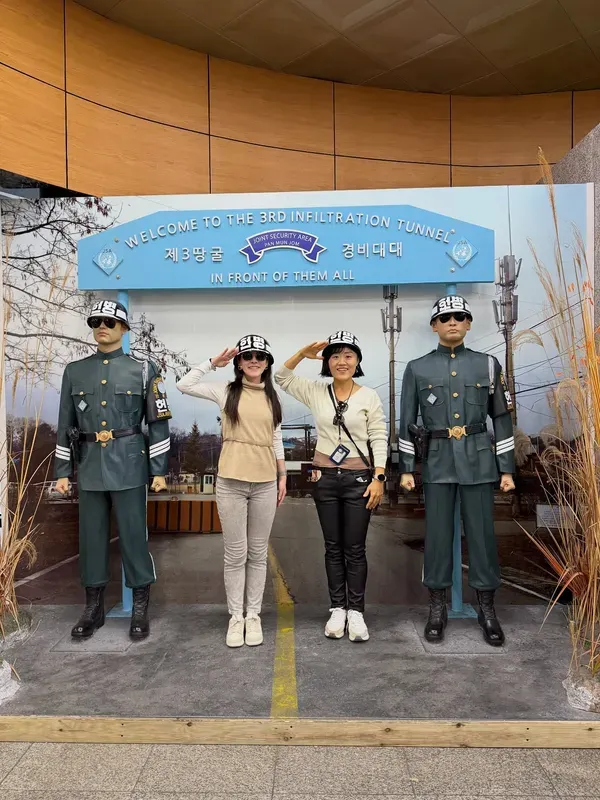
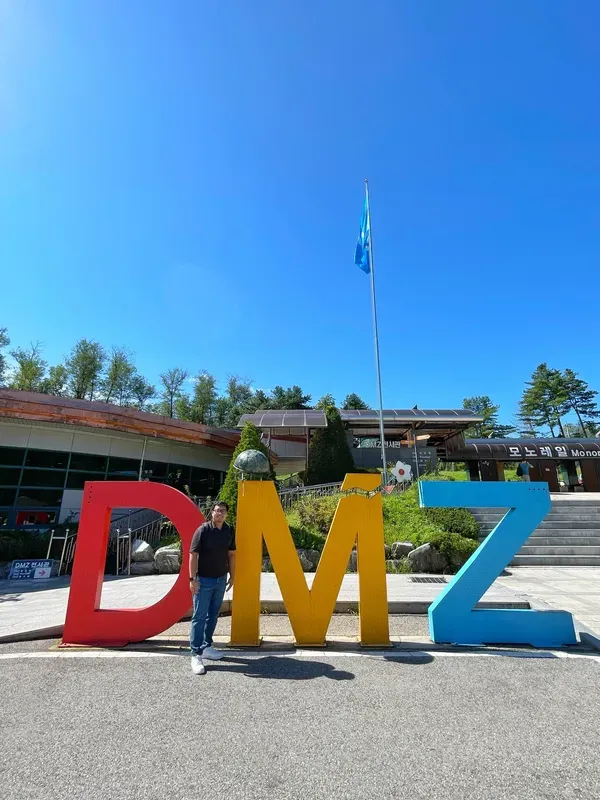
The DMZ is located 52 kilometers from central Seoul. Visitors can take an organized tour bus for 70,000 KRW, ride the DMZ Peace Link Train from Seoul Station for roughly 12,000 KRW, or take the weekend public bus No. 7300 for 2,500 KRW.
No, access to the 3rd Tunnel, Dora Observatory, and JSA is strictly controlled and requires an official guided tour. You must book your tour at least two weeks in advance because daily visitor quotas sell out quickly. JSA tours specifically require booking 7 to 14 days ahead through authorized travel agencies.
Yes, a physical passport is mandatory for all foreign visitors. Military personnel require it for identity verification at checkpoints. Digital copies or photos on your phone will not be accepted.
Ticketing hours run from 09:00 to 14:30, and the Dora Observatory operates from 10:00 to 17:00. The entire site is closed on Mondays and public holidays. Visitors attempting to buy on-site tickets for the 3rd Tunnel should arrive at Imjingak Park before 09:00.
The 3rd Infiltration Tunnel is not suitable for wheelchairs. It is located 73 meters underground and features a steep 11-degree incline with damp, uneven surfaces. Imjingak Park is fully accessible with flat paths, and Dora Observatory has elevator access to its viewing platforms.
A strict dress code applies only to the Joint Security Area (JSA), which prohibits ripped jeans, camouflage, sleeveless shirts, sandals, and miniskirts. Casual dress is permitted for the general DMZ sites. You should wear comfortable walking shoes to navigate the steep, wet floor of the 3rd Tunnel.
You can photograph North Korea, but only from designated photo lines at the observatories. Taking photos of military installations or toward the South from certain points is a criminal offense. Telephoto camera lenses over 90mm are restricted in the JSA and military-controlled areas.
Children under 12 are strictly prohibited from entering the Joint Security Area (JSA) for safety reasons. The general DMZ is suitable for school-aged children for educational purposes. A local Peace Tour lasts an average of 3 hours, while full-day tours from Seoul take 7 to 9 hours.
Browse verified tours with free cancellation and instant confirmation.
Find Tours