About All ToursDMZ & JSA ToursHalf Day ToursPrivate ToursGamaksan Suspension BridgeThird Tunnel Tours Directions Hours & Fees
Find Tours 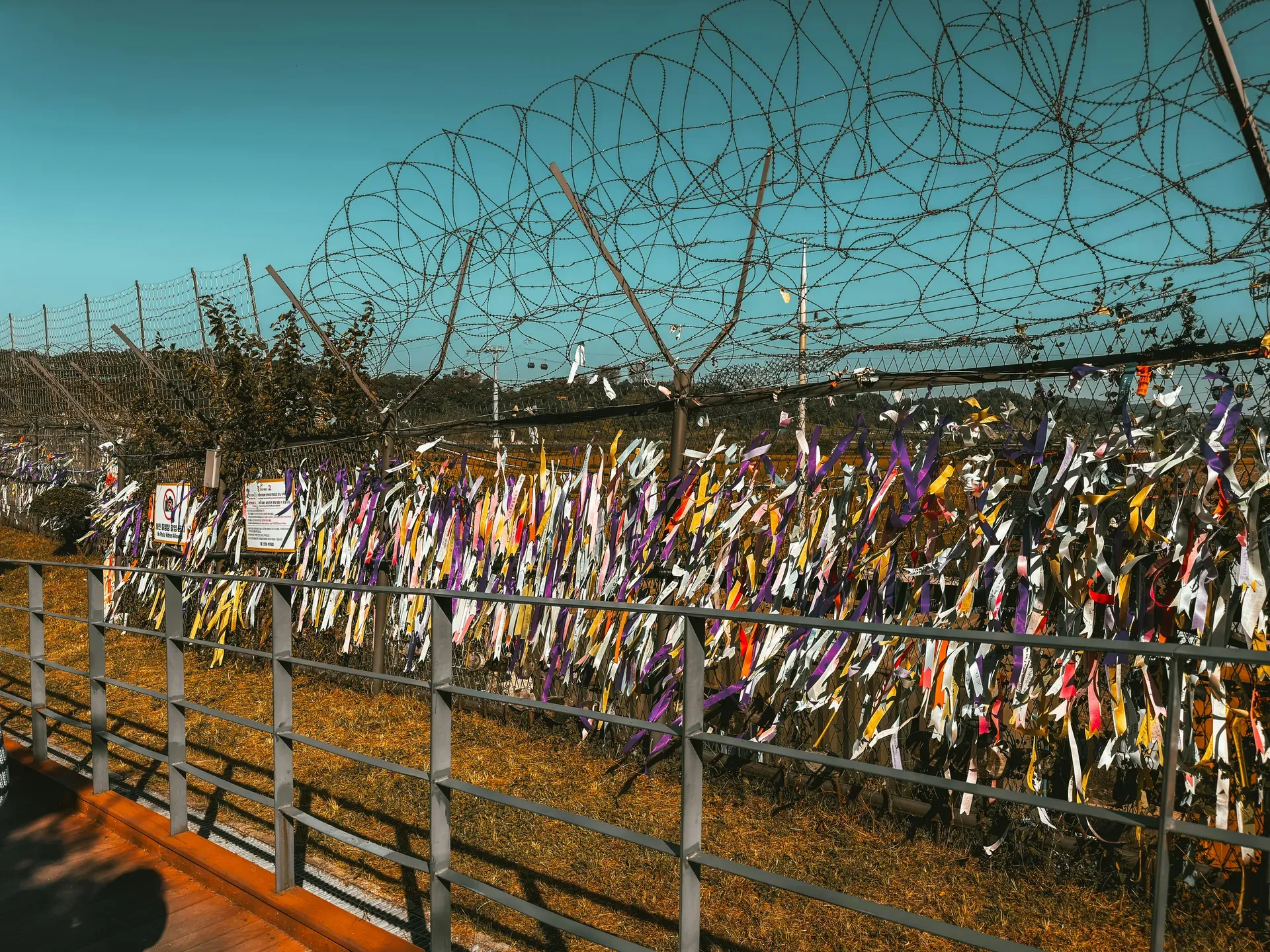
Explore the historic Korean Demilitarized Zone and walk across the scenic Gamaksan Suspension Bridge on a guided day trip from Seoul. These tours combine essential border sites like the 3rd Infiltration Tunnel with breathtaking views from one of Korea's most famous suspension bridges.
 Free Cancellation
 Explore the world's most fortified border on a guided journey through the history and living legacy of the Korean DMZ.
 Free Cancellation
 Explore the DMZ's tunnels and observatories, followed by a personal Q&A session with a North Korean defector.
 Free Cancellation
 Visit the DMZ's key sites and hear a North Korean defector's personal story on this shopping-free historical tour.
 Free Cancellation
 Explore the DMZ’s historic sites and hear a firsthand account of life in the North from a defector.
 Free Cancellation
 A guided day trip from Seoul to the DMZ's tunnels and observatories, with an optional mountain suspension bridge.
 Free Cancellation
 View North Korea from just 1.4km away at Aegibong Peace Ecopark, featuring the Jogang Observatory and its Starbucks.
 Free Cancellation
 Explore the DMZ’s historic tunnels and observatories combined with a scenic gondola ride and suspension bridge walk.
 Free Cancellation
 Explore Korean War history through the 3rd Tunnel, Dora Observatory, and the historic Mt. Gamak suspension bridge.
Read what travelers share about their experience visiting DMZ — from practical tips to personal highlights.
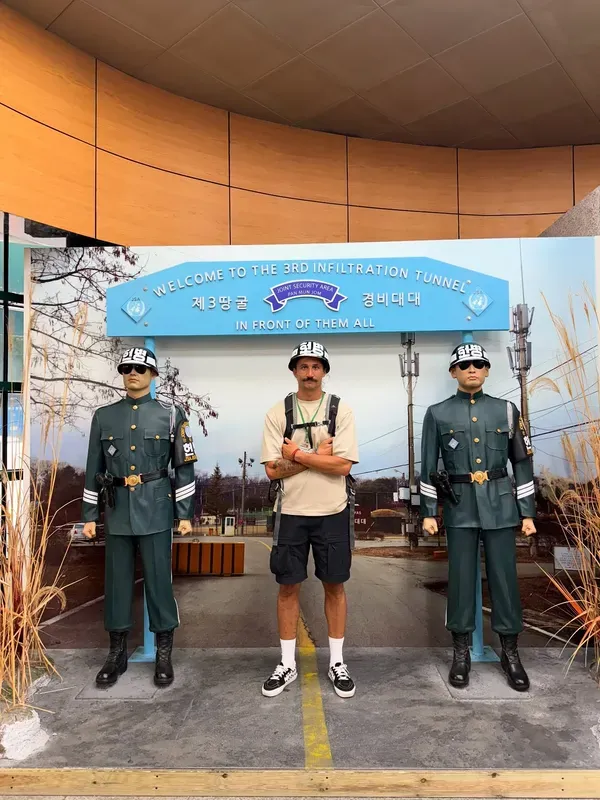
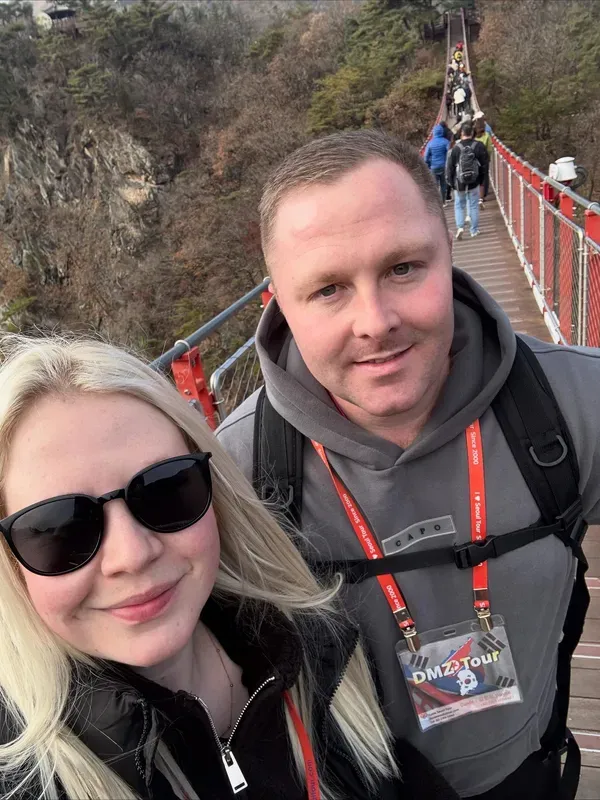
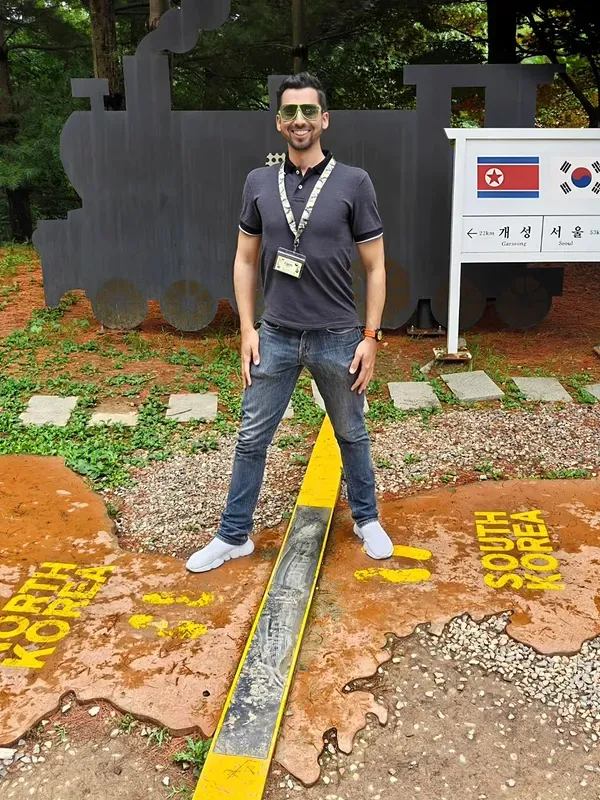
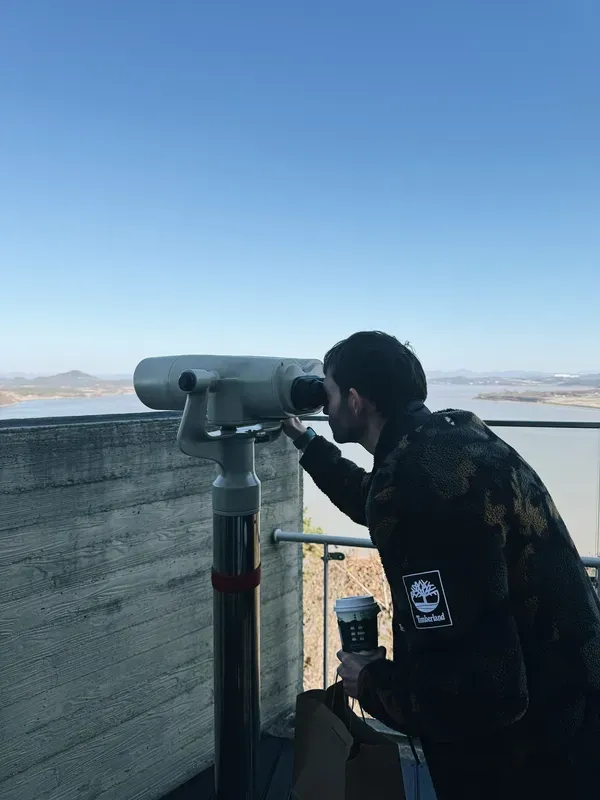
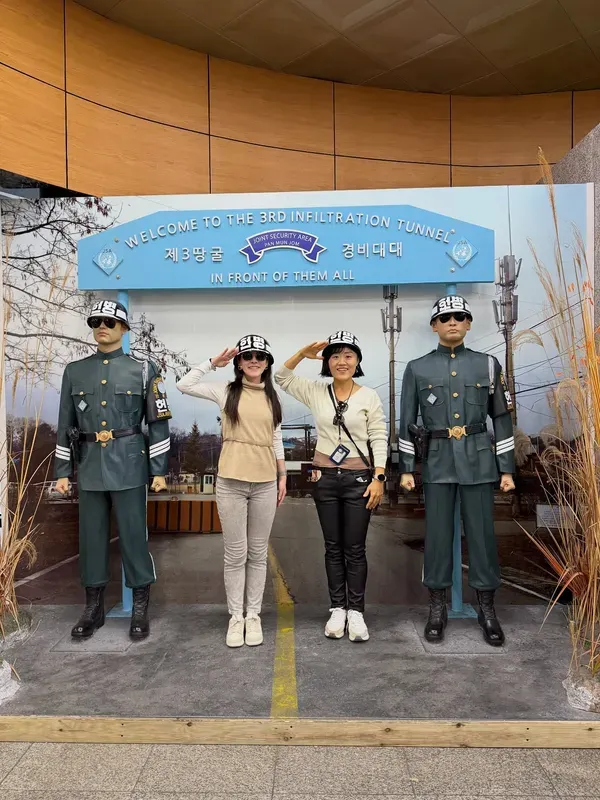
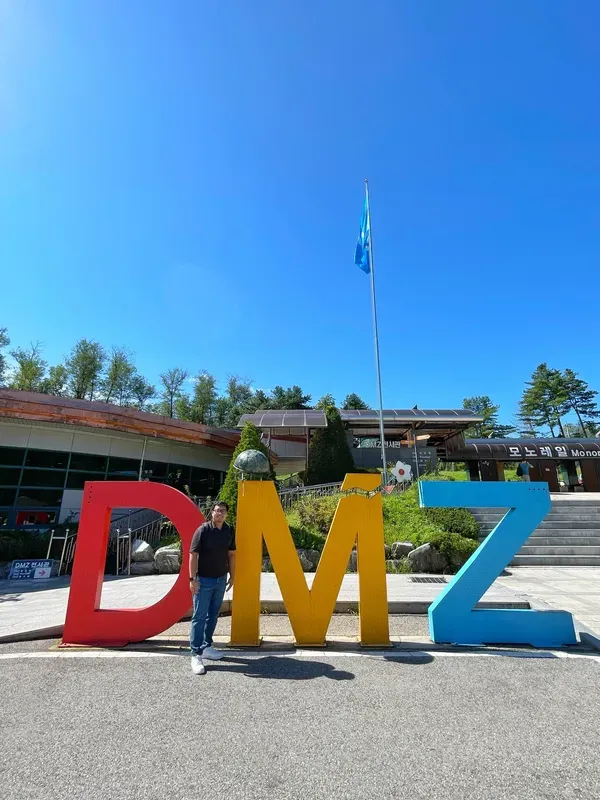
A guided tour to the DMZ and the Gamaksan Suspension Bridge offers a profound, firsthand look at the reality of a divided Korea. You will explore historic infiltration tunnels, peer directly into North Korean territory, and walk across a stunning mountain bridge that was once a fierce battleground.
Descend 73 meters underground into a secret military passage discovered in 1978, capable of moving 30,000 soldiers an hour.
Use high-powered binoculars from this vantage point to look across the border at the North Korean city of Gaeseong and the Kijong-dong propaganda village.
Walk across one of Korea's longest suspension bridges, offering sweeping mountain views and a history tied to a major Korean War battle.
Many tours include an exclusive sit-down session where you can hear firsthand stories and ask questions to a North Korean defector.
Visit the starting point of the DMZ zone, featuring the Peace Bell and the historic bridge where nearly 13,000 POWs were traded at the end of the war.
Ride a scenic cable car across the Imjin River to explore Camp Greaves, a former US military base located within the restricted zone.
Visiting an active military border requires a bit more preparation than your average sightseeing trip. Here is what you need to know before securing your spot.
You must bring your physical, valid passport on the day of the tour. Digital copies or photos on your phone will be rejected at military checkpoints, and you will be denied entry.
The DMZ is an active military zone. Tours can be canceled, delayed, or rerouted without prior notice due to sudden security tensions or military drills. If this happens, operators usually provide an alternative itinerary.
The 3rd Tunnel involves a steep 11-degree incline that is wet and narrow. It requires a moderate level of fitness and is not recommended for those with heart conditions, spinal injuries, or claustrophobia.
The 3rd Tunnel and Dora Observatory are closed on Mondays and public holidays. If you book a tour on these days, the itinerary will automatically swap to alternative sites like the 2nd Tunnel or Odusan Unification Observatory.
Daily visitor quotas for the DMZ are strictly enforced by the military. Book your tour at least two weeks ahead, as these highly popular excursions frequently sell out.
While the general DMZ is casual, JSA visits require strict attire (no ripped jeans, camouflage, or sandals). Photography is strictly limited to designated photo lines, and taking pictures of military checkpoints is a criminal offense.
Most options are guided group bus tours departing from central Seoul. They range from half-day express tours (4-5 hours) to comprehensive full-day trips (7-8 hours) that include the suspension bridge and defector interviews.
Tour packages generally cover round-trip transport from Seoul, a licensed English-speaking guide, and entrance fees. Lunch is typically excluded, so it is highly recommended to bring snacks and water.
| Standard DMZ + Suspension Bridge | DMZ Insider with Defector Meetup | Half-Day Express Tour | Monday Alternative Tour | |
|---|---|---|---|---|
| Duration | 7 - 8 hours | 7 hours | 4.5 - 5 hours | 7.5 hours |
| Key Highlights | 3rd Tunnel, Dora Observatory, Gamaksan Bridge | Defector Q&A, 3rd Tunnel, Suspension Bridge | Aegibong Peace Ecopark, Suspension Bridge | 2nd Tunnel, Peace Gondola, Suspension Bridge |
| Best For | First-time visitors wanting the complete experience | History buffs wanting personal insights and stories | Travelers on a tight schedule who want border views | Visitors who can only schedule their tour on a Monday |
| Starting Price | ~$50 USD | ~$50 USD | ~$48 USD | ~$55 USD |
DMZ Ticketing & Entry: 09:00 - 14:30. Note that tickets for the 3rd Tunnel often sell out early in the morning.
Dora Observatory: 10:00 - 17:00.
Closures: The primary DMZ sites (3rd Tunnel, Dora Observatory) are strictly closed on Mondays and all Korean public holidays. Tours operating on these days will visit alternative sites.
The DMZ is located approximately 52 km (32 miles) north of central Seoul. Because access to the restricted zones requires military clearance, taking an Organized Tour Bus (~70,000 KRW including tickets) from Myeongdong or Hongdae is the easiest and most common method.
If you prefer public transit to the starting point at Imjingak Park, you can take Public Bus No. 7300 from Hongik Univ. Station (weekends/holidays only, 2,500 KRW, 1.5 hours).
The DMZ Peace Link Train also resumed service recently, operating from Seoul Station to Dorasan Station four times a month on Fridays (~12,000 KRW).
The best months to visit are April to June and September to November. During these periods, the weather is mild, and the skies are generally clear, offering the best visibility across the border into North Korea from the observatories.
Try to avoid January and February, as extreme cold and heavy snow can cause sudden road and site closures. July and August bring heavy monsoon rains and high humidity, which often results in thick fog that completely blocks the view of the North.
Accessibility in the DMZ is generally limited.
Restrooms: Available at Imjingak Park, Dora Observatory, and the entrance to the 3rd Tunnel. There are no facilities once you enter the tunnel itself.
Storage: Free lockers are provided at the 3rd Tunnel entrance. You must store all bags, cameras, and phones before descending.
Food & Drink: There are convenience stores and small cafes at Imjingak Park. However, food options are heavily restricted inside the military zones. Most tours do not include lunch, so bringing your own bottled water and snacks is highly recommended.
Identification: A valid, physical passport is mandatory for all foreign visitors. Digital copies are not accepted.
Photography: Strictly prohibited in many areas. You may only take photos at designated spots at the observatories and Imjingak. Taking pictures of military personnel, checkpoints, or out the bus window is a criminal offense.
Dress Code: Casual clothing is fine for the general DMZ and suspension bridge. However, if your tour includes the Joint Security Area (JSA), you cannot wear ripped jeans, camouflage, sleeveless shirts, miniskirts, or sandals.
Conduct: You must remain with your military escort or tour guide at all times. Gesturing, pointing, or attempting to communicate with North Korean soldiers is strictly forbidden.
Yes, it is very safe. The DMZ is a highly regulated tourist destination that receives over 1.2 million visitors annually. You will be supervised by military personnel and licensed guides at all times.
No. Access to restricted areas like the 3rd Infiltration Tunnel, Dora Observatory, and the JSA requires military clearance and an official guided tour. You cannot drive or walk into these areas independently.
Yes, a physical passport is absolutely mandatory for identity verification at the military checkpoints. Digital copies, photocopies, or pictures on your phone will not be accepted, and you will be denied entry.
The 3rd Tunnel and Dora Observatory are closed on Mondays. Tours operating on this day will automatically pivot to a special itinerary, typically visiting the 2nd Tunnel, the DMZ Peace Gondola, or the Odusan Unification Observatory instead.
It is moderately demanding. You must walk down and back up a 73-meter deep tunnel with a steep 11-degree incline. The floor can be wet and slippery. It is not recommended for those with heart conditions, bad knees, or claustrophobia.
Yes. On clear days, you can use the high-powered binoculars at the Dora Observatory to look directly into North Korea. You can often see the city of Gaeseong, the Kijong-dong propaganda village, and even people working in the fields.
For the general DMZ (tunnels, observatories) and the Gamaksan Suspension Bridge, casual comfortable clothing is fine. However, if your tour includes the JSA, strict rules apply: no ripped jeans, sandals, camouflage, or sleeveless shirts.
Yes, but only in specifically designated areas like Imjingak Park and the viewing platforms at Dora Observatory. Taking photos of military installations, checkpoints, or snapping pictures out of the bus window is strictly prohibited.
Because the DMZ is an active military border, tours can be canceled or rerouted without prior notice due to security tensions or drills. If this happens, operators usually provide an alternative itinerary or a full refund.
Most standard DMZ tours do not include lunch in the ticket price. You will usually have some free time at Imjingak Park to buy food, but bringing your own snacks and water is highly recommended.
Browse verified tours with free cancellation and instant confirmation.
Find Tours


Decades after the Cold War, Korea remains the only nation still divided by its legacy. The Demilitarized Zone (DMZ) sits directly on the border between North and South, serving as the most heavily fortified boundary in the world. This tour offers a rare opportunity to stand at the edge of this geopolitical divide and witness a living piece of history. The depth of your visit depends on the context provided. Beyond the barbed wire and military checkpoints lies a complex history of conflict and family separation. Our professional guides focus on delivering these narratives, moving past the surface-level sights to explain the profound impact the DMZ has on the Korean people today.
For a full refund, cancel at least 24 hours before the scheduled departure time.
Chinese, English


This tour provides a comprehensive look at the Korean Demilitarized Zone, led by PLK Travel. You will visit key historical sites including the 3rd Invasion Tunnel and the Dora Observatory, which offers a direct view into North Korean territory. The itinerary also includes a stop at Unification Village to see how residents live within the high-security border zone. A central feature of the day is a meeting with a North Korean defector. They will share their personal history and the details of their journey across the border, followed by an open Q&A session where you can ask questions about daily life in the North. This provides a firsthand perspective on the division of the peninsula that goes beyond standard historical facts. You can tailor the experience with optional visits to the suspension bridges at Lake Majang or Mt. Gamaksan, or choose a traditional boat ride along the Imjin River. For groups of ten or more, complimentary hotel pick-up is included.
For a full refund, cancel at least 24 hours before the scheduled departure time.
Japanese, English


This tour covers the essential sites of the Korean Demilitarized Zone, including the 3rd Infiltration Tunnel and Dora Observatory. At the observatory, you can use binoculars to see across the border into North Korean territory, while the tunnel provides a look at the underground passages dug during the conflict. The itinerary also includes Imjingak Park, a site dedicated to the history of the Korean War and the hope for reunification. A central part of this experience is the opportunity to meet a North Korean defector. Rather than just reading about history in a museum, you will hear a firsthand account of what life is actually like across the border and the process of escaping to the South. This conversation provides a human perspective on the geopolitical divide that goes beyond standard sightseeing. We prioritize your time by skipping the forced shopping stops common on other DMZ excursions. Depending on the option you choose, you can also add a visit to either the Gamaksan or Majang Lake Suspension Bridge to see the natural landscape of the region before returning to Seoul.
For a full refund, cancel at least 24 hours before the scheduled departure time.
Chinese, Japanese, English


This day trip from Seoul takes you directly to the Demilitarized Zone to see the physical reality of the Korean divide. You will head underground into the 3rd Infiltration Tunnel, look across the border into North Korea from the Dora Observatory, and visit landmarks like the Freedom Bridge and Imjingak Park. For those interested in local scenery, there is also an option to include a walk across the Mt. Gamak Suspension Bridge. The most significant part of this tour is a private meeting with a North Korean defector. As the only operator providing this specific experience, we facilitate an in-person session where you can hear a personal account of life in the North and the journey of escaping. This conversation offers a human perspective on the division that goes beyond standard historical facts. Travel is provided in a modern, air-conditioned vehicle with round-trip service from Seoul. Our guides, such as Ron Han and Jackie, are specialists in the region’s history and will manage the day’s logistics to ensure a clear and informative experience.
For a full refund, cancel at least 24 hours before the scheduled departure time.
English


Located an hour from Seoul, this tour provides a direct look at the history and current state of the Korean border. You will walk through the Third Tunnel, visit the DMZ Exhibition Hall, and use binoculars at the Dora Observatory to see into North Korean territory. The route also includes Dorasan Station—which is currently closed—and passes through the Unification Village. For those who want to see more of the local landscape, there is an option to add a stop at the Gamaksan Chulleong Suspension Bridge. This is one of the longest bridges of its kind in the country, spanning a valley near the DMZ. The tour focuses on the factual events of the Korean War and the geographic significance of the border region.
For a full refund, cancel at least 24 hours before the scheduled departure time.
English


Located within the Civilian Control Zone, Aegibong Peace Ecopark sits at the confluence of the Han and Jogang Rivers. The site, formerly known as Hill 154, was a significant battleground during the Korean War. For decades, it has been a destination for displaced families seeking a glimpse of their hometowns in the north. The park has since been transformed into a space dedicated to peace and ecological preservation. The newly renovated Jogang Observatory stands where the original 1978 structure once was, providing one of the closest vantage points of North Korea at a distance of only 1.4 kilometers. The facility includes a Starbucks where visitors can look across the border from the lounge. This tour requires a minimum of two participants and all guests must carry a valid passport to enter the restricted military zone.
For a full refund, cancel at least 24 hours before the scheduled departure time.
Japanese, English


This full-day tour provides a detailed look at the Korean Demilitarized Zone. From Tuesday to Sunday, the itinerary includes visits to Imjingak Park, the Freedom Bridge, and the 3rd Infiltration Tunnel. You will also visit the DMZ Exhibition Hall and look across the border into North Korean territory from the Dora Observatory before passing through Unification Village. On Mondays, the schedule shifts to include the 2nd Infiltration Tunnel, the Peace Observatory, and Woljeongri train station. Depending on your selection, you can add a scenic gondola ride to Gallery Greaves or a visit to a local suspension bridge for views of the surrounding landscape. Please note that the gondola and the North Korean defector lecture are not available on Mondays.
For a full refund, cancel at least 24 hours before the scheduled departure time.
English


Begin your journey with a guided drive to Imjingak Park, where your guide will provide historical context on the Korean War. The first stop is the suspension bridge at Mt. Gamak, a site known for a significant battle involving British troops during the conflict. You will then visit Imjingak Park, located just 7km from the Military Demarcation Line. The park houses the Mangbaedan memorial and the Bridge of Freedom, as well as the Dokgae Bridge, which was destroyed during the war and later reconstructed. The tour continues to the 3rd Tunnel, an underground passage 52km from Seoul that measures 1,635 meters in length and 2 meters in height. Afterward, you will visit the Dora Observatory, which offers a vantage point to look into North Korea. From here, you can see various North Korean landmarks and occasionally observe local residents at work. The tour concludes with a drop-off near the original meeting location.
For a full refund, cancel at least 24 hours before the scheduled departure time.
English