About All ToursDMZ & JSA ToursHalf Day ToursPrivate ToursGamaksan Suspension BridgeThird Tunnel Tours Directions Hours & Fees
Find Tours 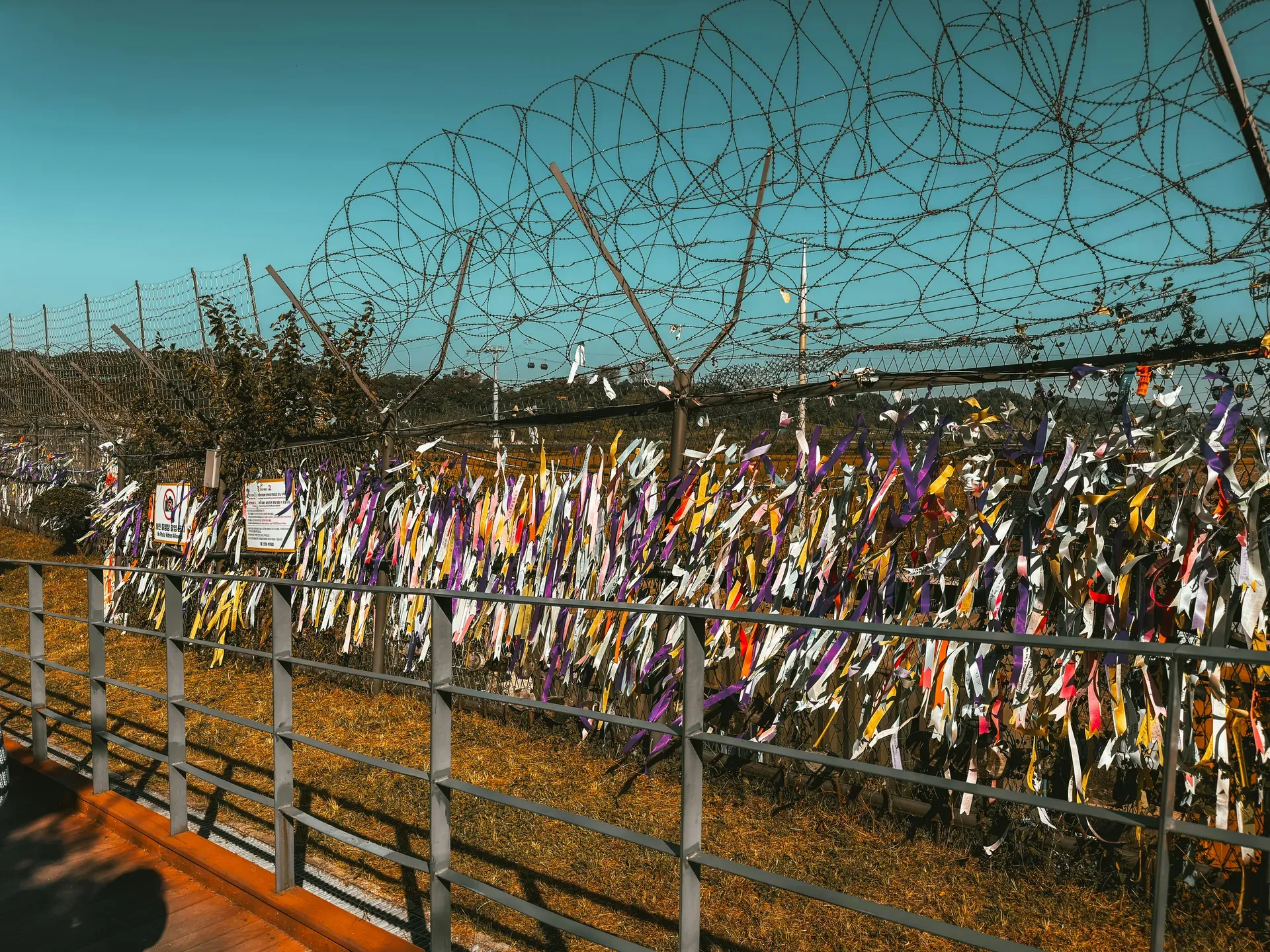
Explore the Korean Demilitarized Zone with a dedicated guide, avoiding crowded commercial routes and large tour groups. These customized trips feature direct hotel pickups, private transport, and visits to key border sites like the 3rd Invasion Tunnel.
 Free Cancellation
 Take a half-day trip from Seoul to the DMZ to see the 3rd Infiltration Tunnel and look into North Korea.
 Free Cancellation
 Custom-tailored tours focusing on the best of Seoul’s city sights or the historic DMZ border.
 Free Cancellation
 Explore the DMZ and Mt. Gamaksan with an expert guide, including the 3rd Tunnel, North Korean views, and local BBQ.
![[DMZ Adventure] DMZ and optional Boat Voyage in River](https://media-cdn.tripadvisor.com/media/attractions-splice-spp-480x320/11/f8/b9/f9.jpg) Free Cancellation
Free Cancellation Explore the DMZ’s historic tunnels and observatories, with optional traditional boat rides along the Imjin River.
 Free Cancellation
 A direct DMZ tour from your hotel featuring exclusive stops at an underground bunker and a bullet-marked bridge.
 Free Cancellation
 A private, uncrowded DMZ experience near Mt. Seoraksan featuring North Korean cuisine and historic architecture.
 Free Cancellation
 A private DMZ tour featuring the 3rd Infiltration Tunnel and views across the North Korean border.
 Free Cancellation
 Explore the DMZ's 3rd Tunnel and Dora Observatory followed by a scenic walk across Gamak Mountain’s suspension bridge.
Read what travelers share about their experience visiting DMZ — from practical tips to personal highlights.
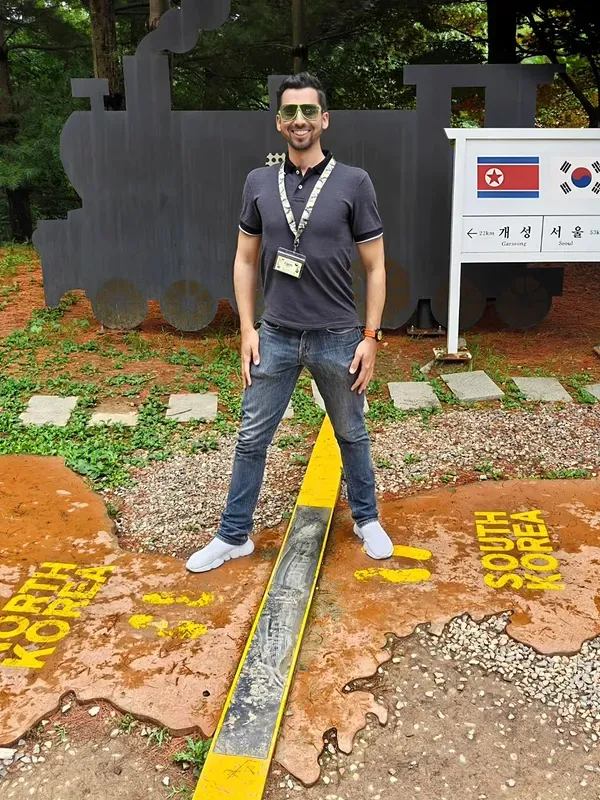
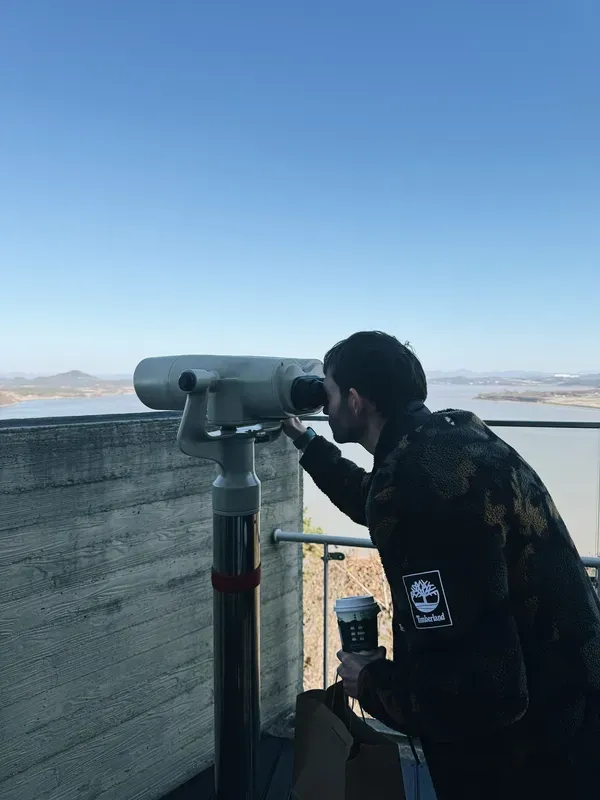
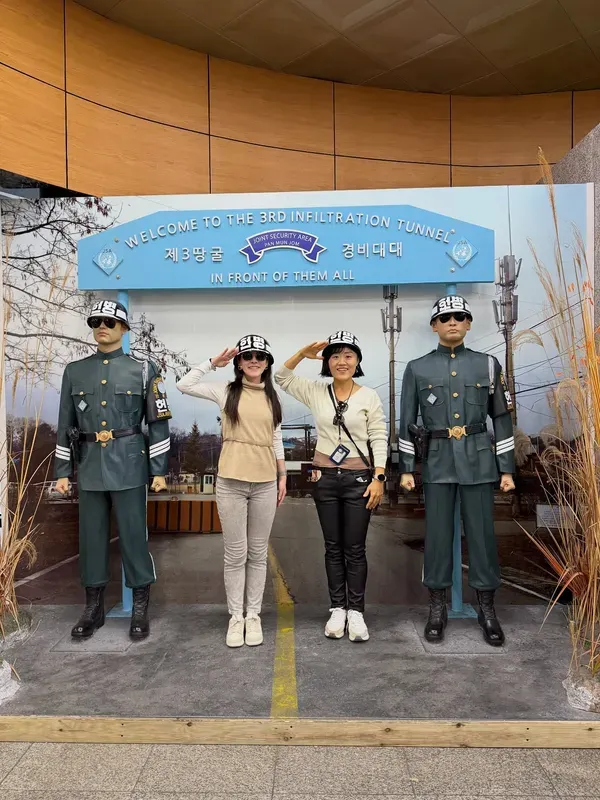
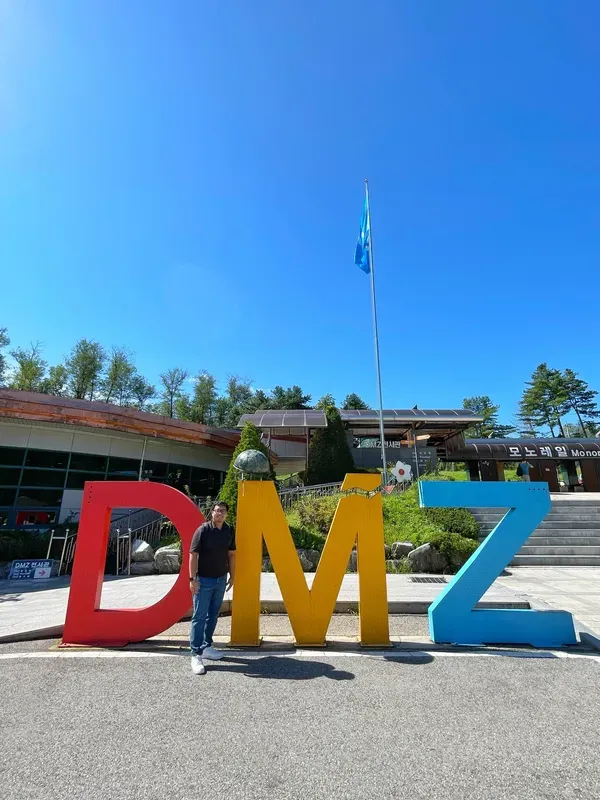
Booking a private tour of the DMZ offers a much more personalized way to experience one of the world's most heavily fortified borders. Instead of waiting for 40 other people on a massive tour bus, you get direct hotel pickup, a flexible pace, and dedicated time to ask your guide complex questions about the Korean War and current geopolitics.
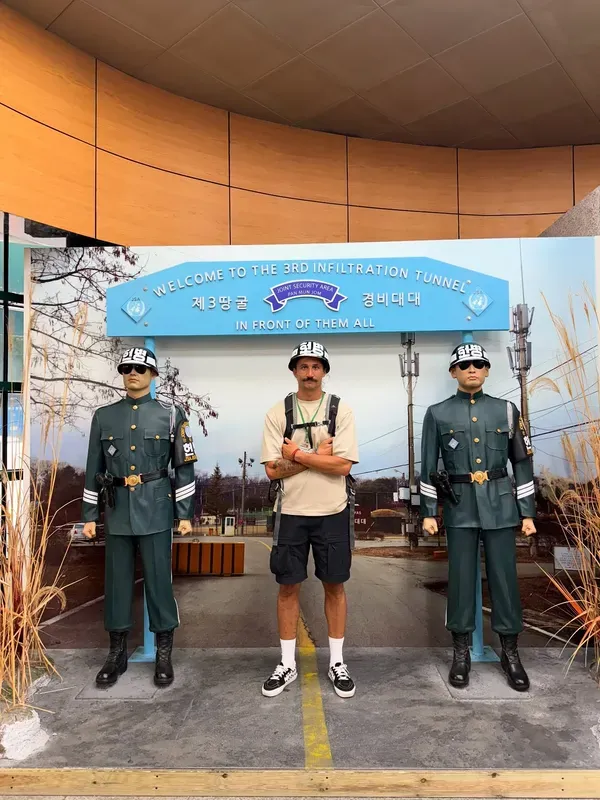
Put on a hard hat and descend 73 meters underground into a secret invasion tunnel discovered in 1978. You'll walk right up to the concrete barricades blocking the North.
Look through high-powered binoculars directly into North Korea. On clear days, you can easily spot the city of Gaeseong and the Kijong-dong 'Propaganda Village'.
The starting point for most tours, featuring the Peace Bell, war memorials, and the Freedom Bridge where nearly 13,000 POWs were traded at the end of the war.
If security conditions permit and you've booked well in advance, stand at the exact spot where North and South Korean soldiers face each other.
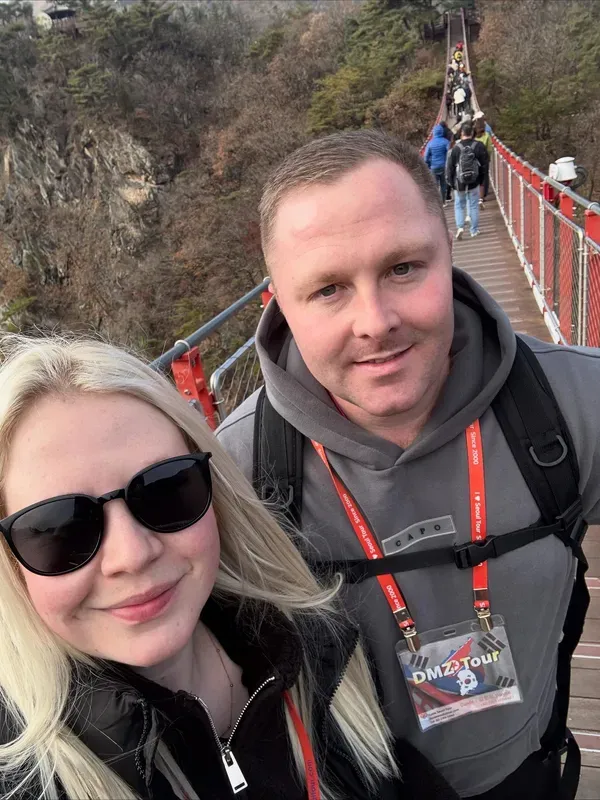
Many private tours include stops at the Gamaksan Suspension Bridge for stunning mountain views, or authentic local Korean BBQ lunches.
Visiting an active military border requires some advance planning and strict adherence to local rules. Here is what you need to know before booking your private DMZ experience.
A valid, physical passport is strictly required for all foreign visitors. Digital copies or photos on your phone will be rejected at the military checkpoints, and you will be denied entry.
Private tours are more expensive but save you hours of transit time. Group tours often spend 60-90 minutes just picking people up from various hotels, whereas private tours go straight to the border.
Daily visitor quotas are strictly limited by the military and sell out fast. Book at least two weeks in advance. If you want to visit the JSA, you need to book 7-14 days ahead for background checks.
The DMZ is an active military zone. Tours can be cancelled or rerouted without notice due to sudden security tensions or drills. Operators usually provide alternative itineraries (like the 2nd Tunnel) but no refunds.
The 3rd Tunnel has a steep 11-degree incline and damp, uneven floors. It is not recommended for pregnant travelers, wheelchair users, or those with cardiovascular or knee issues.
If your tour includes the JSA, the dress code is strictly enforced: no ripped jeans, camouflage, sleeveless shirts, or sandals. The general DMZ (tunnels and observatories) allows casual dress.
Taking photos of military installations or toward the South from certain points is a criminal offense. You can only take photos at designated spots, and telephoto lenses over 90mm are often banned.
Most private tours include round-trip transport from Seoul, a dedicated English-speaking guide, and DMZ admission fees. Some full-day options also bundle in lunch and tickets to nearby suspension bridges.
| Half-Day Private Tour | Full-Day DMZ + Suspension Bridge | Fully Custom/Free Style Tour | Alternative Route (Sokcho) | |
|---|---|---|---|---|
| Duration | 6 hours | 7-9 hours | Flexible | 7 hours |
| Best For | Travelers short on time wanting a focused history overview | Combining military history with Korean nature and food | Families or groups with specific interests or mobility needs | Avoiding the Seoul crowds and seeing a quieter border area |
| Key Inclusions | Hotel pickup, DMZ admission, Guide | Hotel pickup, DMZ tickets, Bridge tickets, Lunch (BBQ) | Private transport, Guide, Flexible itinerary | Transport from Sokcho, Lunch, Taxes |
| Starting Price | ~$220 - $240 | ~$160 - $250 | ~$195 (Excludes lunch/tickets) | ~$139 |
Ticketing Hours: The main ticketing office at Imjingak operates from 09:00 to 14:30. However, private tours handle this process for you, often arriving early to secure spots.
Note: If you book a tour on a Monday, many operators will reroute the itinerary to visit the 2nd Tunnel instead of the 3rd Tunnel.
The DMZ is located approximately 52 km (32 miles) north of central Seoul. Travel time is heavily dependent on traffic but generally takes about 1 hour to 1 hour and 20 minutes.
Top Months: April to June and September to November offer the best conditions. The weather is mild, and the skies are generally clear, which is crucial for visibility at the Dora Observatory.
Months to Avoid:
Accessibility varies wildly depending on the specific site within the DMZ.
While the DMZ is a military zone, the tourist infrastructure at the main stops is quite developed.
Because this is an active military border, rules are strictly enforced by the South Korean military and the UN Command.
Yes, it is very safe and operates as a major tourist destination with over 1.2 million visitors annually. You are under strict military supervision the entire time you are in the restricted areas.
No. Access to the civilian control zone, including the 3rd Tunnel, Dora Observatory, and the JSA, is strictly controlled by the military and requires you to be part of an official guided tour.
Yes, a physical passport is absolutely mandatory for all foreign visitors. Military personnel will check it at the checkpoints; photos on your phone or paper photocopies will not be accepted.
It depends on the specific tour and current military conditions. JSA tours are frequently suspended due to diplomatic tensions and require booking 7-14 days in advance. Check your specific tour itinerary to see if it's included.
Because it's an active military border, sudden closures happen without notice. Tour operators will usually pivot to an alternative itinerary, such as visiting the 2nd Tunnel instead, but refunds are generally not provided for military-enforced changes.
It is moderately difficult. You have to walk down a steep 11-degree incline to a depth of 73 meters, and then walk back up. The tunnel is cramped, damp, and not recommended for people with bad knees, poor cardio health, or claustrophobia.
Yes, but only from specific, designated photo lines, such as the viewing platforms at the Dora Observatory. Taking photos of military checkpoints or unauthorized areas is strictly prohibited and your camera may be confiscated.
Browse verified tours with free cancellation and instant confirmation.
Find Tours


This half-day trip from Seoul focuses on the key sites of the Korean Demilitarized Zone. You can choose a morning or afternoon departure to visit Imjingak Park and the Freedom Bridge. A guide provides the historical context of the Korean War and the ongoing division between the North and South. You will go inside the 3rd Infiltration Tunnel and visit the DMZ Exhibition Hall to see artifacts from the conflict. The tour also stops at the Dora Observatory, where binoculars allow you to look across the border into North Korea and see local villages in the distance.
For a full refund, cancel at least 24 hours before the scheduled departure time.
Chinese, English


We offer flexible tours designed around your interests, focusing on either the historic landmarks of Seoul or the DMZ. While itineraries are planned to show you the most important sites of each area, we can adjust the schedule based on your specific needs and the time available. You can choose between two primary tracks: a dedicated Seoul City tour or the DMZ Plus option. Please note that a full-scale city tour and a full DMZ tour are distinct experiences; while we can occasionally mix elements of both depending on the day's conditions, most guests select one primary focus to ensure they see the best of their chosen route.
For a full refund, cancel at least 24 hours before the scheduled departure time.
English


Led by a guide with over 1,000 trips to the border, this tour covers the essential sites of the DMZ. You will visit Imjingak Peace Park, walk through the 3rd Invasion Tunnel dug by North Korea, and look across the border from the Dora Observatory. The itinerary also includes a stop at Unification Village and a visit to the North Korea Museum, which features a themed photo booth. Throughout the day, your guide provides historical context and detailed narration regarding the division of the Korean peninsula. For lunch, the tour stops at a local restaurant specializing in Seoul-style beef bulgogi or traditional tofu dishes for vegetarians. Afterward, you will visit Mt. Gamaksan to cross the suspension bridge, which is reached via a short 10-minute hike. Travel is provided in a well-maintained, air-conditioned vehicle. The schedule is flexible; you can request a specific stop in Seoul or follow your guide's recommendations before being dropped off at your hotel.
For a full refund, cancel at least 24 hours before the scheduled departure time.
Korean, English, Chinese (China)
![[DMZ Adventure] DMZ and optional Boat Voyage in River](https://media-cdn.tripadvisor.com/media/attractions-splice-spp-720x480/11/f8/b9/f9.jpg)
![[DMZ Adventure] DMZ and optional Boat Voyage in River](https://media-cdn.tripadvisor.com/media/attractions-splice-spp-720x480/15/0b/49/68.jpg)
![[DMZ Adventure] DMZ and optional Boat Voyage in River](https://media-cdn.tripadvisor.com/media/attractions-splice-spp-720x480/12/1b/35/0c.jpg)
Operated by PLK Travel, this tour provides a focused look at the Korean Demilitarized Zone. The half-day itinerary covers the essential sites of the border, including the 3rd Invasion Tunnel and the Dora Observatory, which offers views directly into North Korean territory. The full-day option expands the experience with a trip on a traditional Korean boat. This route follows the Imjin River as it flows from the North into the South, followed by visits to the Imjingak memorial area and the standard DMZ landmarks. For groups of 10 or more passengers, complimentary hotel pick-up is included in the service.
For a full refund, cancel at least 24 hours before the scheduled departure time.
English


Your guide meets you directly in your hotel lobby for the drive to the DMZ Park. By skipping public transit and avoiding the multiple pickup stops common in large group tours, you head straight to the border area. This personalized approach ensures you can easily hear your guide's commentary without competing with a large crowd. In addition to the standard sites, this itinerary includes historical spots often missed by larger groups, such as an underground bunker and a bridge still bearing bullet marks from the war. Because the DMZ and surrounding civilian-restricted areas are under military control, we arrange your entry permissions in advance. Once at the security perimeter, you will board a government-authorized shuttle to explore the restricted zone, as mandated for all visitors.
For a full refund, cancel at least 24 hours before the scheduled departure time.
English


While most DMZ tours follow crowded commercial routes through Gyeonggi-do, this itinerary offers a quieter, more private alternative. Located in an area that was part of North Korea before the Korean War, the tour provides a unique perspective on the region's history and traditional architecture. This destination is just an hour's drive from Mount Seoraksan, making it easy to combine both attractions into a single trip. The experience includes a stop for authentic North Korean cuisine and is designed for small groups, typically with fewer than five people, to ensure a personal atmosphere.
For a full refund, cancel at least 24 hours before the scheduled departure time.
English


This private tour provides a focused look at the Korean Demilitarized Zone, starting and ending with direct pickup from your hotel. By traveling in a private group, you avoid the crowds of large tour buses and follow a more personalized pace. Your guide will share the history of the Korean War and explain the geopolitical tension that remains a part of daily life on the peninsula. The tour includes a visit to the 3rd Infiltration Tunnel, a passage discovered in the 1970s that was designed for a surprise attack on the South. You will also view North Korea from an observatory, offering a rare glimpse into one of the world's most isolated nations. This experience highlights the dramatic differences between the two Koreas, from the South’s rapid development to the North’s enduring mystery.
For a full refund, cancel at least 24 hours before the scheduled departure time.
English


This private tour for your group begins at Imjingak Pyeonghoa-Nuri Park, a major site dedicated to Korean unification. From there, the DMZ portion of the trip includes three primary stops. You will spend roughly 70 minutes exploring the 3rd Tunnel, which was dug by North Korea, followed by a visit to the Dora Observatory for a direct view across the border. The final stop within the DMZ is Unification Village, where local souvenirs are available. After leaving the DMZ, the tour continues to Gamak Mountain to visit the Chulleong Suspension Bridge. This section of the trip focuses on the local scenery and the experience of crossing the bridge high above the mountain landscape. Please note that the DMZ schedule is subject to change based on local weather conditions or ongoing military operations.
For a full refund, cancel at least 24 hours before the scheduled departure time.
English