About All ToursDMZ & JSA ToursHalf Day ToursPrivate ToursGamaksan Suspension BridgeThird Tunnel Tours Directions Hours & Fees
Find Tours 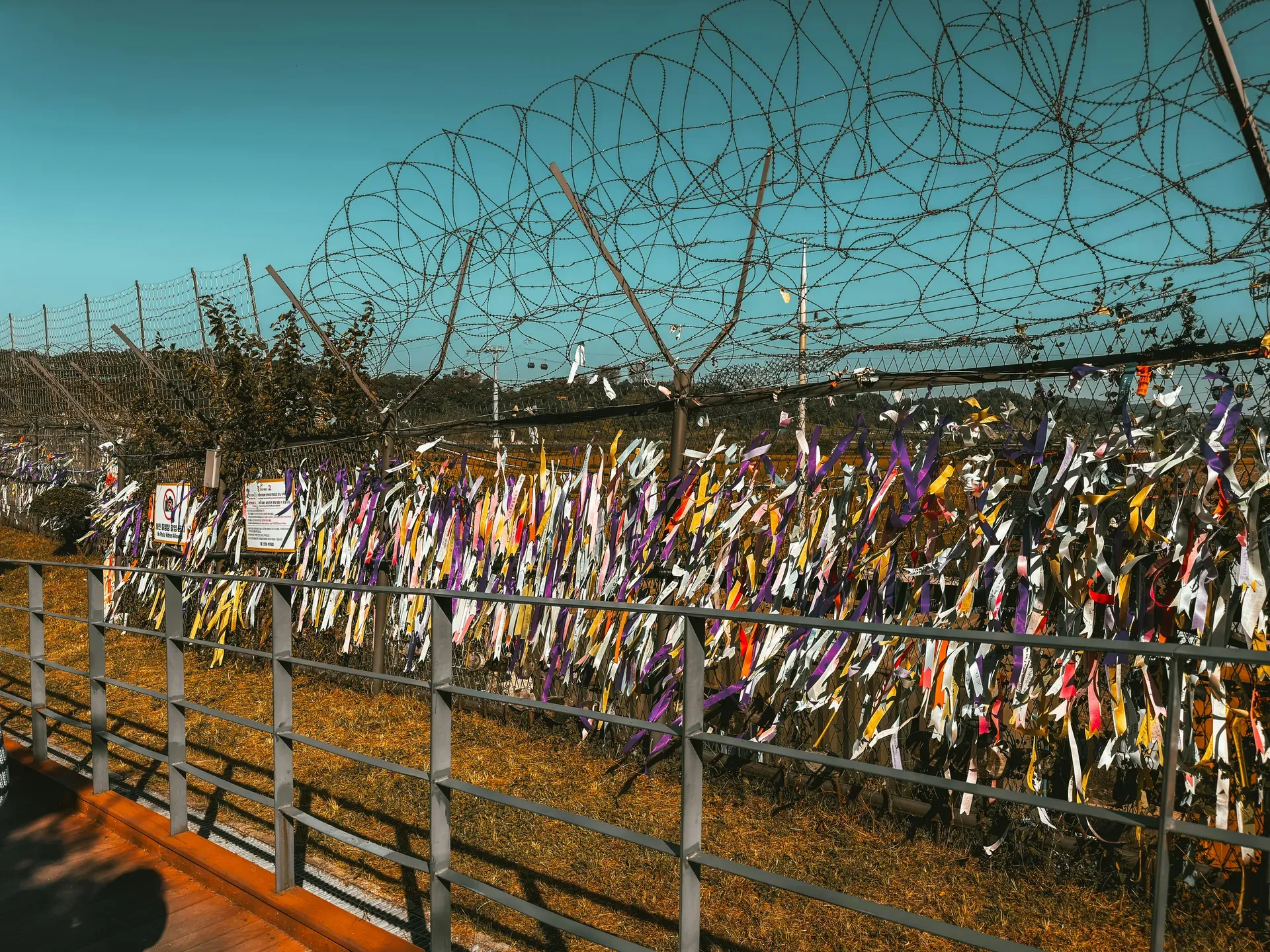
Explore the history of the Korean border on a DMZ tour that takes you deep into the Third Infiltration Tunnel. Choose from small group or private excursions featuring stops at the Dora Observatory and meetings with North Korean defectors.
 Free Cancellation
 Explore the DMZ's historic tunnels and hear a North Korean defector's personal account of life and escape.
 Free Cancellation
 Explore the Korean DMZ and hear firsthand accounts from a North Korean defector on this shopping-free historical tour.
 Free Cancellation
 Explore the DMZ's secret tunnels and view North Korea before visiting the Gamaksan Suspension Bridge and shooting range.
 Free Cancellation
 Visit the 3rd Tunnel, the Mt. Gamak bridge, and view North Korea from the Dora Observatory with a local guide.
 Free Cancellation
 Speak with a North Korean defector and explore the border's key sites on this private, no-shopping DMZ tour.
 Free Cancellation
 A private guided tour for up to six people covering the DMZ's historic tunnels and North Korean border observatories.
 Free Cancellation
 Explore the 3rd infiltration tunnel and view North Korea from an observatory on this historical military zone tour.
Read what travelers share about their experience visiting DMZ — from practical tips to personal highlights.
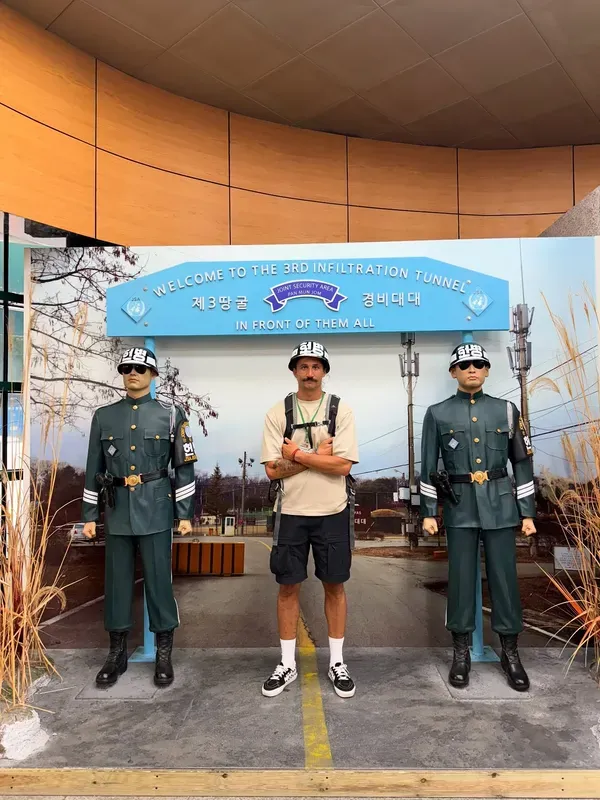
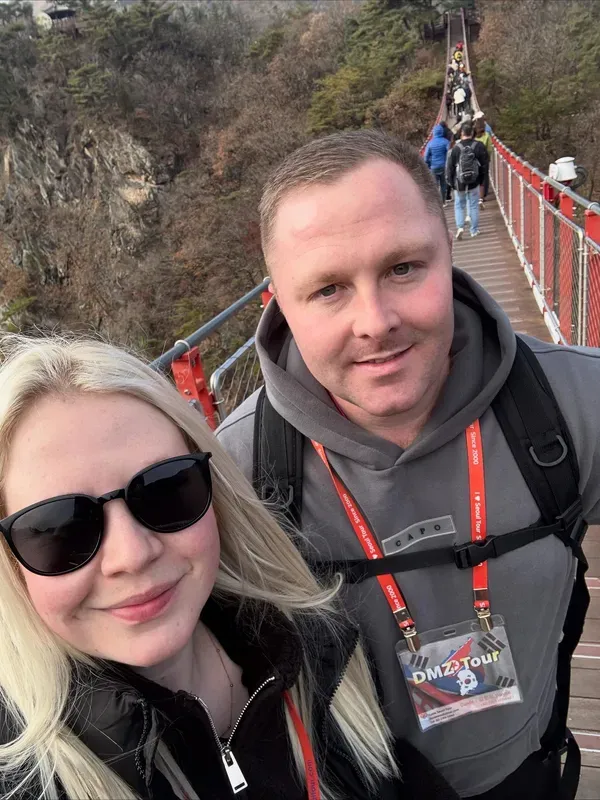
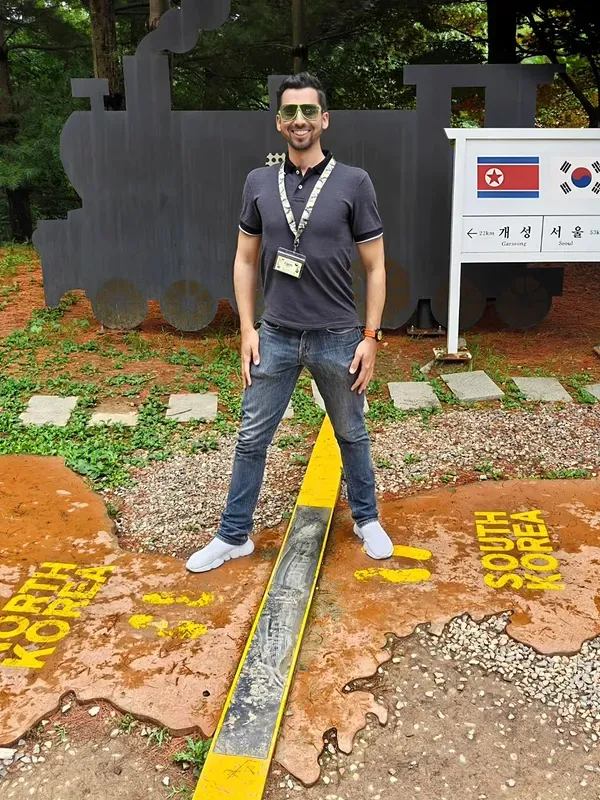
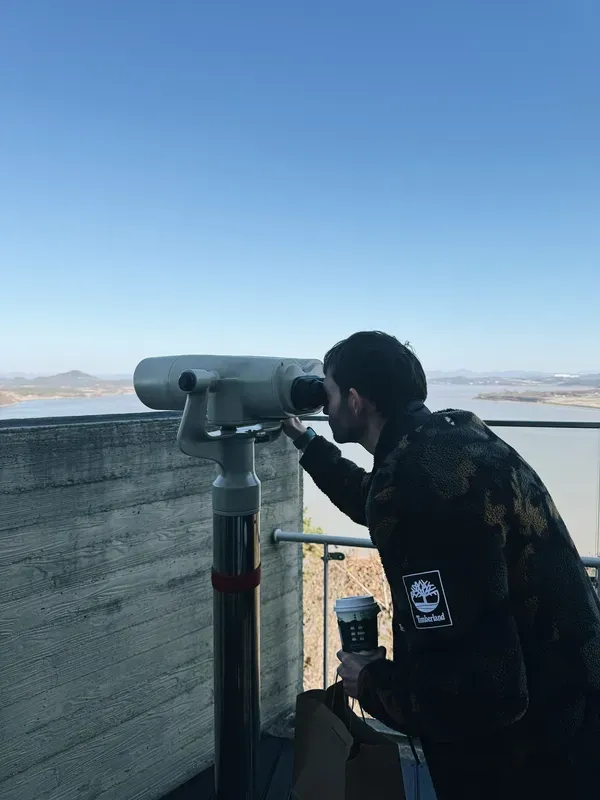
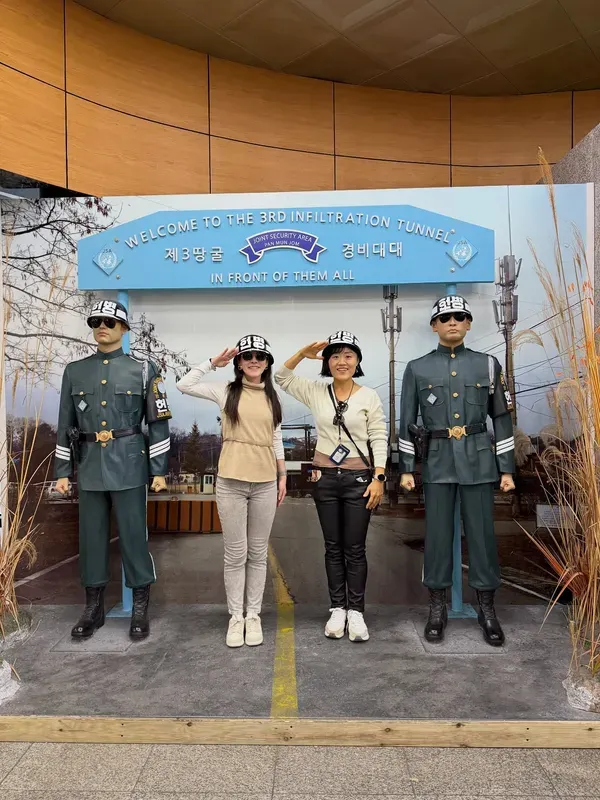
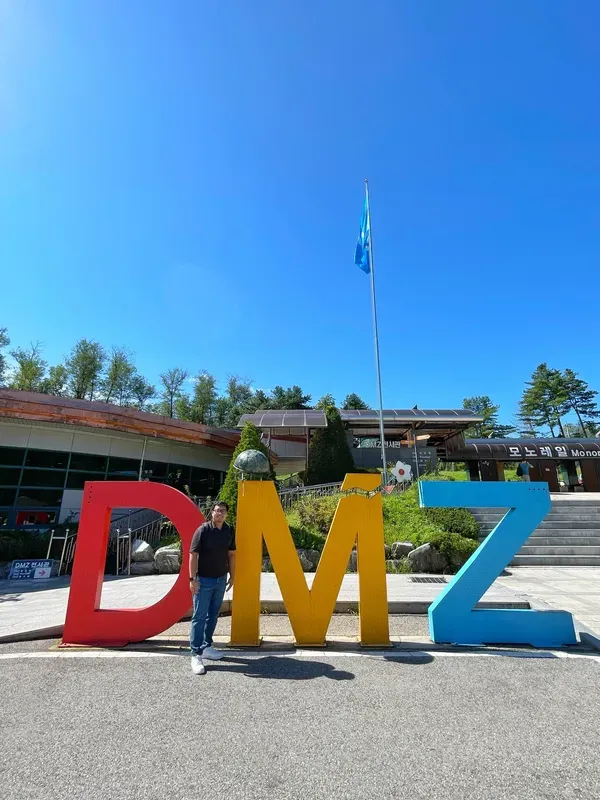
A tour to the DMZ and the 3rd Infiltration Tunnel offers a sobering, firsthand look at the world's most heavily fortified border. You will explore historic infiltration routes, view North Korean territory from strategic vantage points, and learn about the intense geopolitical realities of the Korean peninsula.
Descend 73 meters underground to explore a secret tunnel dug by North Korea, discovered in 1978. It is 1,635 meters long and was designed to move 30,000 soldiers per hour.
Use high-powered binoculars from this viewing platform to look across the border. On clear days, you can see the North Korean city of Gaeseong and the Kijong-dong 'Propaganda Village'.
Several specialized tours include a live Q&A session with a North Korean defector, offering a rare and personal perspective on life inside the isolated country and their journey to escape.
Many itineraries stop at the Gamaksan Suspension Bridge. As one of the longest suspension bridges in Korea, it offers stunning mountain views and a scenic break from the military sites.
Walk across this historic wooden bridge located at Imjingak Park. It marks the exact spot where nearly 13,000 prisoners of war were traded at the end of the Korean War.
Drive through Tongil Chon, a high-security civilian farming village located strictly within the restricted civilian control zone near the border.
Visiting an active military border requires strict adherence to rules and advanced planning. Here is what you need to know before securing your spot on a DMZ tour.
A valid, physical passport is absolutely mandatory for all foreign visitors. Digital copies or photos on your phone will be rejected at military checkpoints, and you will be denied entry.
You can choose between group bus tours and private excursions. Most are full-day trips departing from Seoul, lasting between 7 to 9 hours, including transport and guide commentary.
Daily visitor quotas set by the military are strictly limited and sell out quickly. It is highly recommended to book your tour at least two weeks in advance to secure your preferred date.
The 3rd Tunnel has a steep 11-degree incline and uneven, damp surfaces. It is not recommended for pregnant travelers, those with claustrophobia, or anyone with spinal or cardiovascular issues.
Because the DMZ is an active military zone, tours can be altered or canceled without prior notice due to sudden security tensions or military drills. If this happens, operators usually provide alternative itineraries.
The 3rd Tunnel is closed on Mondays and public holidays. If you book a tour on a Monday, the itinerary will typically swap the 3rd Tunnel for a visit to the 2nd Tunnel instead.
Organized tours generally include round-trip transportation from Seoul and all admission fees for the DMZ sites (normally 12,200 KRW). Lunch is almost always excluded, so bring snacks or cash.
Most tour operators offer a full refund if you cancel at least 24 hours before the scheduled departure time. No-shows or late arrivals for bus departures will not be refunded.
| Guided Group Tour | Private Tour | Defector Meet-up Tour | |
|---|---|---|---|
| Tour Type | Group Bus Tour | Private Vehicle | Group or Private |
| Duration | 7 - 8 hours | 8 hours | 7 - 8 hours |
| Price Range | $50 - $65 USD | $198 - $500 USD | $50 - $198 USD |
| Best For | Budget travelers and solo visitors wanting the classic highlights. | Families, small groups, and those wanting a customized pace. | History buffs wanting firsthand, personal perspectives on North Korea. |
DMZ Ticketing Hours: 09:00 to 14:30 daily.
Dora Observatory: Open from 10:00 to 17:00.
Closures: The 3rd Infiltration Tunnel and Dora Observatory are strictly closed on Mondays and all South Korean public holidays. If you visit on a Monday, tours generally reroute to the 2nd Tunnel.
The DMZ is located approximately 52 km from central Seoul. Because independent access to the restricted zones is prohibited, you have a few ways to reach the starting point at Imjingak Park:
Ideal Months: April to June and September to November offer the best conditions. The weather is mild, and the skies are generally clear, which is crucial for visibility at Dora Observatory.
Months to Avoid: January and February can bring extreme cold and potential snow closures. July and August are the monsoon season in Korea; heavy rains and high humidity can make the tunnel walk uncomfortable and reduce visibility of North Korea to zero.
Accessibility varies greatly across the DMZ sites.
Imjingak Park: Serves as the main hub and starting point. It features the Peace Bell, war memorials, restrooms, and small convenience shops.
Inside the DMZ: Facilities are limited. Lockers are provided at the 3rd Tunnel entrance (mandatory for storing bags and cameras before descending). High-powered binoculars are available at Dora Observatory.
Food & Drink: Most tours do not include lunch. It is highly recommended to bring bottled water and snacks, as dining options are sparse once inside the military-controlled area.
Identification: A physical passport is mandatory. Digital copies are not accepted.
Photography: Strictly prohibited inside the 3rd Tunnel and in many military areas. Photos are only allowed at designated photo lines at Dora Observatory and Imjingak.
Dress Code: Casual dress is fine for the 3rd Tunnel and Observatory. However, if your tour includes the Joint Security Area (JSA), strict rules apply: no ripped jeans, camouflage, sleeveless shirts, sandals, or miniskirts.
Behavior: Visitors must stay with their military escort in restricted zones and are strictly prohibited from gesturing toward North Korean soldiers.
Yes, a physical passport is mandatory for all foreign visitors. You will need to present it at military checkpoints for identity verification. Digital copies or photos on your phone will not be accepted.
Yes, it is very safe and operates as a major tourist destination with over 1.2 million annual visitors. You are under strict military supervision at all times while inside the restricted zones.
No. Access to the 3rd Infiltration Tunnel, Dora Observatory, and other areas past the civilian control line is strictly controlled and requires an official guided tour.
The walk requires a moderate level of fitness. You must descend a steep 11-degree incline to a depth of 73 meters. The tunnel is narrow, damp, and uneven, making it unsuitable for those with heart conditions, spinal injuries, or claustrophobia.
On standard 3rd Tunnel and Dora Observatory tours, you will not see soldiers up close, though you might spot distant figures or farmers through binoculars. Close-up views of soldiers only happen at the Joint Security Area (JSA).
JSA tours are frequently suspended or restricted due to diplomatic tensions or security incidents. Most standard DMZ tours focus entirely on the 3rd Tunnel and observatories instead. Check official United Nations Command notices for JSA status.
There is no strict dress code for the 3rd Tunnel or Dora Observatory, but comfortable walking shoes are highly recommended. Strict dress codes (no ripped jeans, sandals, or camo) only apply if you are visiting the JSA.
No, photography is strictly prohibited inside the tunnel. You will be required to leave your cameras, phones, and bags in free lockers provided at the entrance before descending.
Tours are subject to immediate cancellation by the military due to sudden security drills or tensions. If this happens before departure, operators usually provide a refund or an alternative itinerary outside the restricted zone.
Most tour operators on Viator offer a full refund if you cancel at least 24 hours before the scheduled departure time. Cancellations within 24 hours or no-shows are not eligible for a refund.
Browse verified tours with free cancellation and instant confirmation.
Find Tours


This tour provides a direct look at the history and current reality of the Korean border. You will descend into the 3rd Invasion Tunnel, visit the Unification Village, and use the Dora Observatory to see into North Korean territory. A central part of the experience is a meeting with a North Korean defector who shares her personal account of life in the North and her journey to the South. This includes a Q&A session where you can ask questions about her experiences and the challenges of life across the border. You can also customize your itinerary with optional visits to the suspension bridges at Lake Majang or Mt. Gamaksan, or choose a traditional boat ride along the Imjin River. These locations offer views of former Korean War battlefields and the surrounding landscape. For groups of 10 or more people, complimentary hotel pick-up is included.
For a full refund, cancel at least 24 hours before the scheduled departure time.
Japanese, English


This tour visits the primary sites of the Korean Demilitarized Zone, including Imjingak Park, the 3rd Infiltration Tunnel, and Dora Observatory. From the observatory, you can look across the border into North Korean territory. This itinerary focuses strictly on history and education, meaning there are no mandatory shopping stops included during the trip. A central part of the experience is a meeting with a North Korean defector. They will share their personal story of life in the North and their transition to the South, providing a human perspective on the division of the peninsula. This session offers an opportunity to ask questions and learn about the reality of the conflict beyond what is found in textbooks. The day also includes an optional visit to either the Gamaksan or Majang Lake Suspension Bridge. These locations offer a look at the local landscape and provide a different pace compared to the military sites visited earlier in the day.
For a full refund, cancel at least 24 hours before the scheduled departure time.
Chinese, Japanese, English


This tour visits the Korean Demilitarized Zone (DMZ), where you can walk through the Third Infiltration Tunnel and view North Korean territory from the Dora Observatory. The itinerary includes stops at historical landmarks like Imjingak Park and the Bridge of Freedom, providing a clear look at the history of the peninsula's division. You will also visit the Gamaksan Suspension Bridge to see the local mountain scenery. The experience includes a stop at an NK&JSA-themed photo booth and one free round at the Airport Shooting Range, with choices including a sniper rifle, handgun, or bolt-action rifle. You must bring your passport for the mandatory security checks. At the end of the tour, drop-offs are available at Hongdae, Myeongdong, Gwangjang Market, or Dongdaemun.
For a full refund, cancel at least 24 hours before the scheduled departure time.
Korean, English


The tour begins with a meeting at the designated location followed by a drive toward Imjingak Park. Along the way, your guide will share historical details about the Korean War to provide context for the day's landmarks. The first major stop is the suspension bridge at Mt. Gamak, which marks the site of a significant battle involving British troops during the conflict. At Imjingak Park, located 7km from the Military Demarcation Line, you will visit Mangbaedan, the Bridge of Freedom, and Dokgae Bridge—a structure that was destroyed during the war and later reconstructed. The tour then moves to the 3rd Tunnel, an underground passage 52km from Seoul that spans 1,635m in length and stands 2m high and wide. Finally, you will visit the Dora Observatory to look across the border into North Korea. On clear days, it is possible to observe people living and working in the North Korean landscape. The tour concludes with a drop-off near the original meeting location.
For a full refund, cancel at least 24 hours before the scheduled departure time.
English


This private tour provides a rare opportunity to speak directly with a North Korean defector about their life and escape. After hearing their personal story, you can ask questions during a live Q&A session. The itinerary includes visits to the Third Infiltration Tunnel, Dora Observatory, and Imjingak Park, all led by specialized English-speaking guides who focus on historical context rather than just logistics. Your experience is fully private, featuring door-to-door hotel pickup and drop-off in a climate-controlled vehicle. We guarantee a no-shopping itinerary, meaning no time is wasted at forced retail stops. You can also personalize the trip with a choice between visiting the Gamaksan Mountain or Majang Lake suspension bridges. Because the tour is private, the pace is entirely up to you, making it suitable for families, couples, or solo travelers.
For a full refund, cancel at least 24 hours before the scheduled departure time.
English


This private day trip from downtown Seoul provides a dedicated guide and professional driver for groups of up to six people. The tour begins with direct pickup from your hotel, followed by a comfortable drive to the Korean Demilitarized Zone. Traveling privately allows your group to explore the sites at a steady pace while receiving detailed historical context from your guide. The itinerary includes the Third Tunnel of Aggression, which was discovered beneath the border, and the Dora Observatory, where you can see across into North Korean territory. You will also visit Imjingak Park to see the various monuments and memorials dedicated to the Korean War. This tour is designed for travelers who want a focused, informative look at the history and current reality of the Korean peninsula without the rush of a large bus group.
For a full refund, cancel at least 24 hours before the scheduled departure time.
Chinese, English


The Korean War came to a halt on July 27, 1953, with the signing of an armistice agreement that established the DMZ buffer zone. This tour examines the history of the peninsula from the 1950s to the present, focusing on the reality of the division between North and South Korea. While the DMZ itself is a heavily mined border area that is closed to the public, this tour takes you into the high-security military zone just outside its perimeter. You will go underground into the 3rd infiltration tunnel discovered in the 1970s and visit an observatory to look across the border into North Korean territory. Please be aware that this is a DMZ tour and is distinct from a JSA (Joint Security Area) tour. The JSA is the specific location where the armistice was signed and where diplomatic meetings occur. A physical passport is required for all participants to clear the military checkpoints during this trip.
For a full refund, cancel at least 24 hours before the scheduled departure time.
English