About All ToursDMZ & JSA ToursHalf Day ToursPrivate ToursGamaksan Suspension BridgeThird Tunnel Tours Directions Hours & Fees
Find Tours 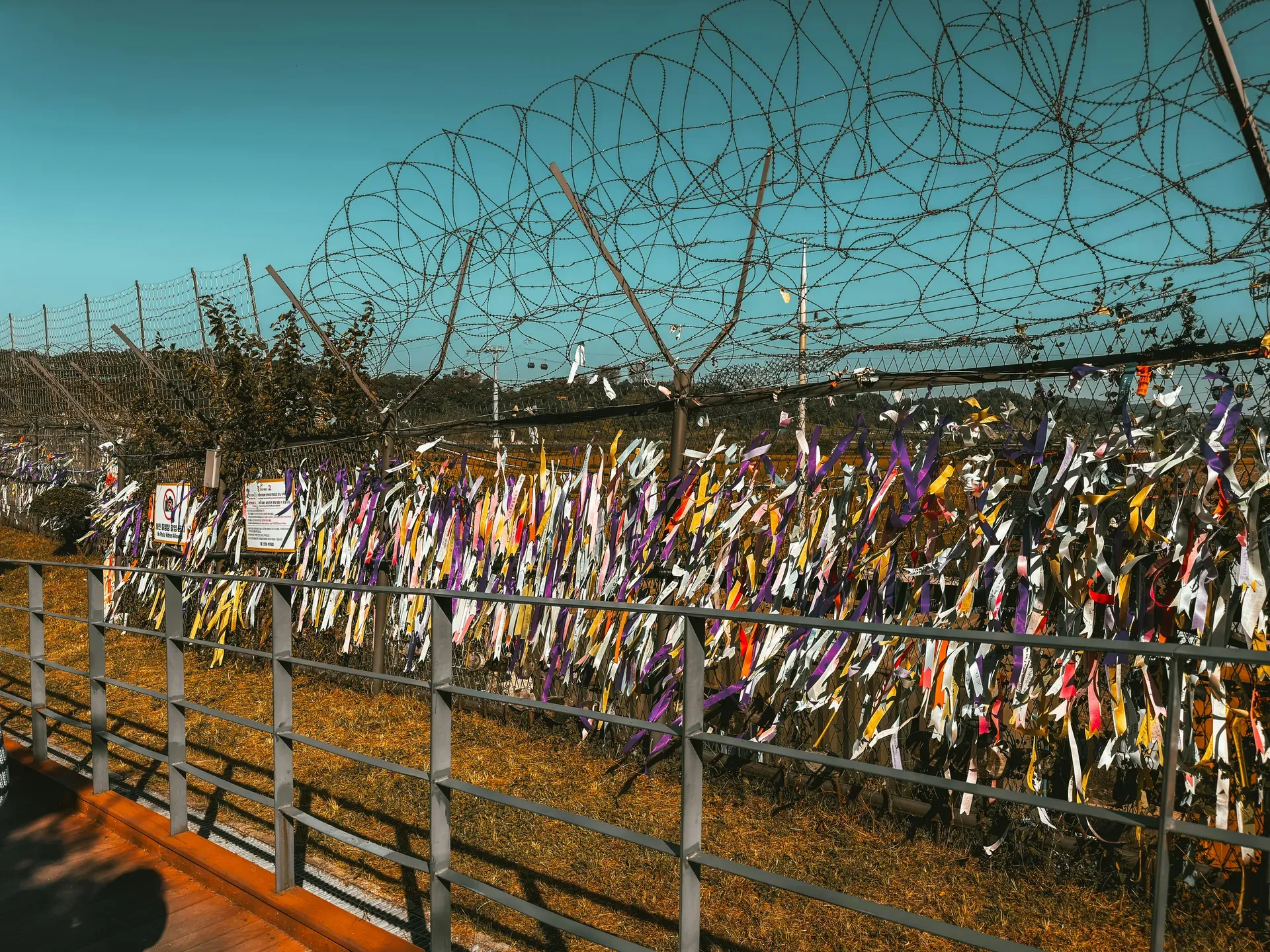
Explore the historic border between North and South Korea on a combined DMZ and JSA tour. Visit key sites like the Third Infiltration Tunnel, Dora Observatory, and the JSA Museum with an expert guide.
 Free Cancellation
 Explore the last frontier of the Cold War on a guided tour through the historic Korean Demilitarized Zone.
 Free Cancellation
 Visit the world's most fortified border at the DMZ and cross the 220-meter Gamaksan Red Suspension Bridge.
 Free Cancellation
 Explore the DMZ's secret tunnels and North Korean lookouts before visiting the Mt. Gamaksan suspension bridge.
 Free Cancellation
 Explore the historic Korean border and mountain scenery on a guided tour of the world’s most fortified zone.
 Free Cancellation
 Visit the DMZ's 3rd Tunnel and Dora Observatory, followed by exclusive access to the JSA Experience Museum.
 Free Cancellation
 Explore the DMZ's historic tunnels and observatories followed by a themed shooting range and Gamaksan Suspension Bridge.
 Free Cancellation
 Explore the 3rd Infiltration Tunnel and view North Korea from an observatory on this historical border tour.
 Free Cancellation
 Explore the DMZ’s tunnels and observatories with an expert guide, followed by a local lunch and flexible sightseeing.
Read what travelers share about their experience visiting DMZ — from practical tips to personal highlights.
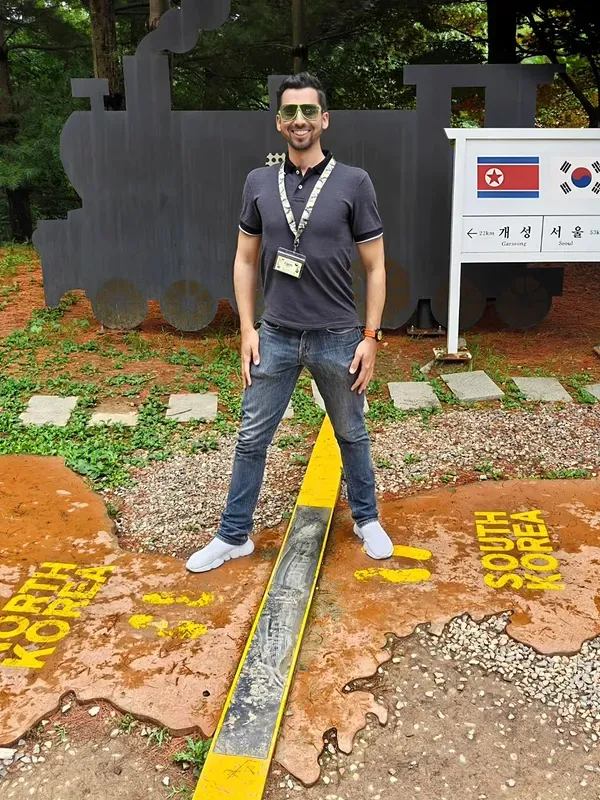
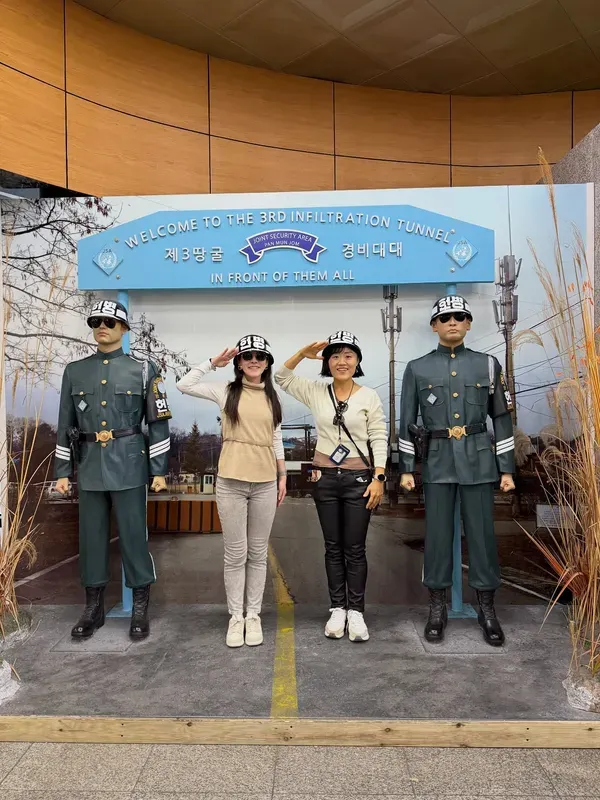
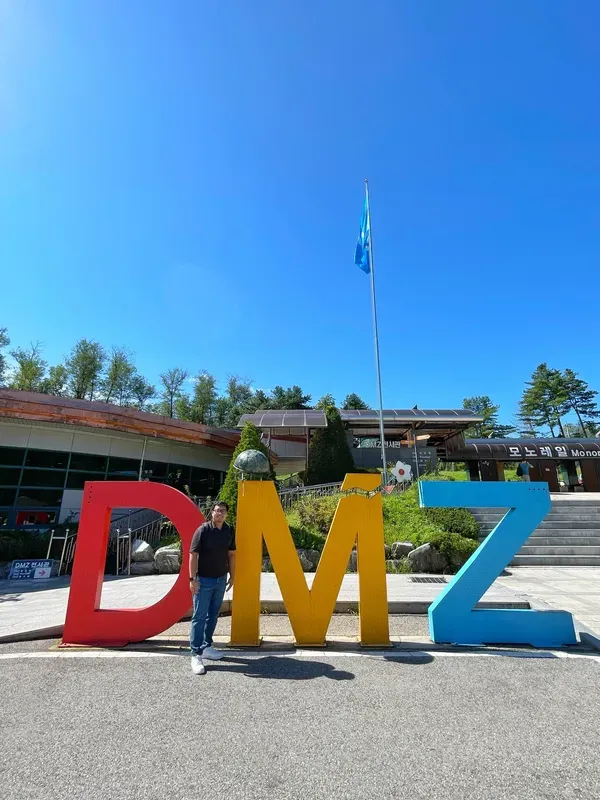
The Korean Demilitarized Zone (DMZ) is a 248-kilometer buffer zone separating North and South Korea. Visiting this heavily fortified border offers a profound look at Cold War history, ongoing geopolitical tensions, and an inadvertently pristine ecological sanctuary.
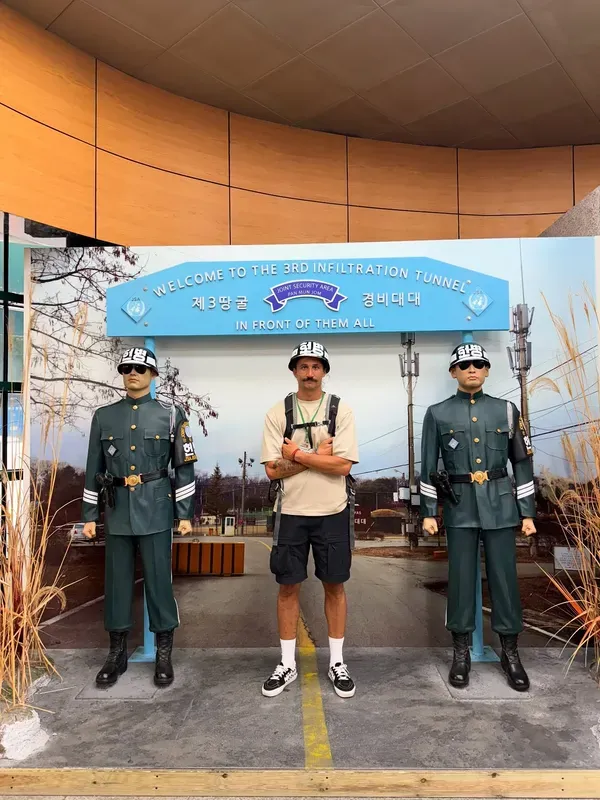
Descend 73 meters underground into a secret tunnel dug by North Korean forces. Discovered in 1978, it spans over 1,600 meters and was designed to move 30,000 soldiers per hour.
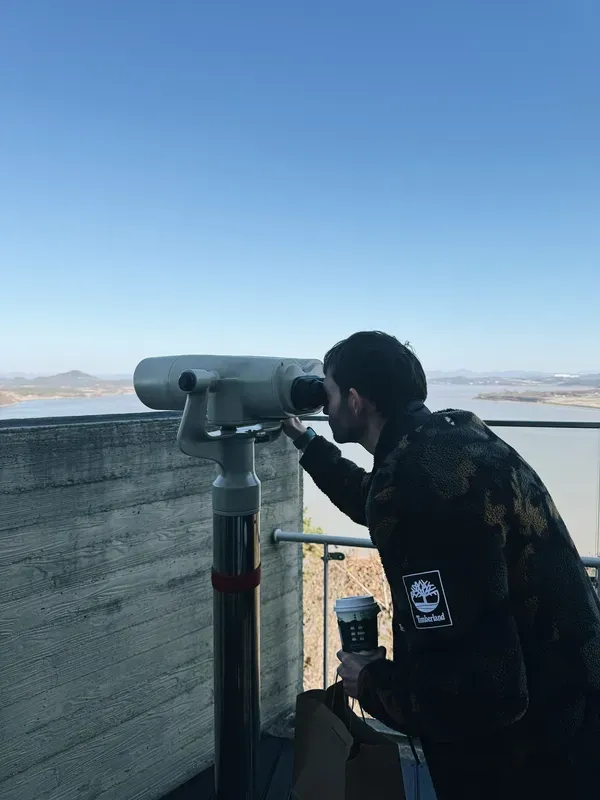
Look across the border into North Korea using high-powered binoculars. On clear days, you can spot the city of Gaeseong, the Kijong-dong propaganda village, and local farmers.
Stand at the exact spot where soldiers from both Koreas face off across the Military Demarcation Line. Access is highly restricted and subject to sudden military closures.
Explore the starting point of most tours, featuring war memorials, the Peace Bell, and the historic Freedom Bridge where nearly 13,000 POWs were exchanged after the war.
Visit South Korea's northernmost railway station. It stands fully equipped and waiting for the day it can connect the peninsula to the Trans-Siberian Railway.
Booking a DMZ tour requires a bit of advance planning due to strict military regulations and high demand. Here is what you need to know before securing your spot.
You cannot visit the 3rd Tunnel, Dora Observatory, or JSA independently. All visitors must be part of an official guided tour to pass through the military checkpoints.
A physical, valid passport is absolutely mandatory for all foreign visitors. Digital copies or photos on your phone will be rejected by the military, and you will be denied entry.
Daily visitor quotas are strictly limited. Book your tour at least 2 weeks in advance, especially if you want to access the JSA, which requires 7-14 days of prior clearance.
Options range from half-day group tours (around 7-8 hours round trip from Seoul) to comprehensive private tours. Many tours also offer optional stops at the Gamaksan Suspension Bridge or Majang Lake.
If your tour includes the JSA, you must adhere to a strict dress code. Ripped jeans, camouflage, sleeveless shirts, sandals, and miniskirts are strictly prohibited.
Tours operate in an active military zone. They can be suddenly canceled, suspended, or rerouted without prior notice due to military drills or diplomatic tensions.
The 3rd Infiltration Tunnel involves a steep 11-degree incline and damp, uneven surfaces. It is not recommended for those with mobility issues, claustrophobia, or poor cardiovascular health.
| Small Group DMZ Tour | Ultimate JSA & DMZ Tour | Private DMZ Tour | |
|---|---|---|---|
| Duration | 7-8 hours | 8-9 hours | Flexible (Full Day) |
| Best For | Budget-conscious travelers wanting the main highlights | History buffs wanting the full border experience | Families or groups wanting custom pacing and comfort |
| Includes | 3rd Tunnel, Dora Observatory, Imjingak Park, Transport | JSA Access, 3rd Tunnel, Guided Commentary, Transport | Hotel pickup, Private Guide, Flexible Itinerary, Water |
| Price From | $49 USD | $50 USD | $210 USD |
Ticketing Hours: 09:00 - 14:30
Dora Observatory: 10:00 - 17:00
Closure Days: The DMZ sites are closed on Mondays and all South Korean public holidays. JSA tours have additional restricted days based on military schedules.
While you must be on a guided tour to enter the restricted zones, you can reach the Imjingak starting point via several methods:
Best Months: April to June and September to November offer mild weather and clear visibility, which is crucial for looking across the border from the observatories.
Worst Months: January and February can be extremely cold with potential snow closures. July and August bring heavy monsoon rains, high humidity, and fog that frequently drops visibility of North Korea to zero.
Accessibility at the DMZ is generally limited.
Imjingak Park: Serves as the main hub with restrooms, food stalls, convenience stores, and souvenir shops.
3rd Tunnel: Free lockers are provided at the entrance, as large bags and cameras are strictly prohibited inside the tunnel.
Dora Observatory: Features high-powered binoculars (often free or requiring small coins) and indoor viewing areas with seating.
Yes, it is a major tourist destination with over 1.2 million annual visitors. Tours are strictly supervised by military personnel to ensure visitor safety.
No. Access to key sites like the 3rd Tunnel, Dora Observatory, and the JSA is strictly controlled by the military and requires an official guided tour.
Yes, a physical passport is mandatory for identity verification at military checkpoints. Digital copies or photos on your phone will not be accepted.
JSA tours are frequently suspended or restricted due to diplomatic tensions or military drills. You should check the United Nations Command (UNC) official notices for the most current status.
Yes, on clear days you can often see North Korean soldiers and farmers through the binoculars at the Dora Observatory.
There is no specific dress code for the general DMZ sites like the 3rd Tunnel. However, the JSA has strict rules prohibiting ripped jeans, camouflage, sleeveless shirts, sandals, and miniskirts.
Yes, but only from designated photo lines at the observatories. Taking photos of military installations or restricted zones is strictly prohibited.
Browse verified tours with free cancellation and instant confirmation.
Find Tours


Korea remains the only nation still divided by the legacy of the Cold War, with the DMZ marking the heavily fortified line between North and South. This border is a living piece of history, offering a rare look at the ongoing tensions and the lasting impact of the Korean War on the peninsula. Because the DMZ is such a complex site, the quality of your experience depends on the depth of the narrative. Our guides go beyond basic facts to provide historical context and insight into the human stories behind the division. You will explore the physical fortifications while gaining a more profound understanding of the site's emotional and political significance.
For a full refund, cancel at least 24 hours before the scheduled departure time.
Chinese, English


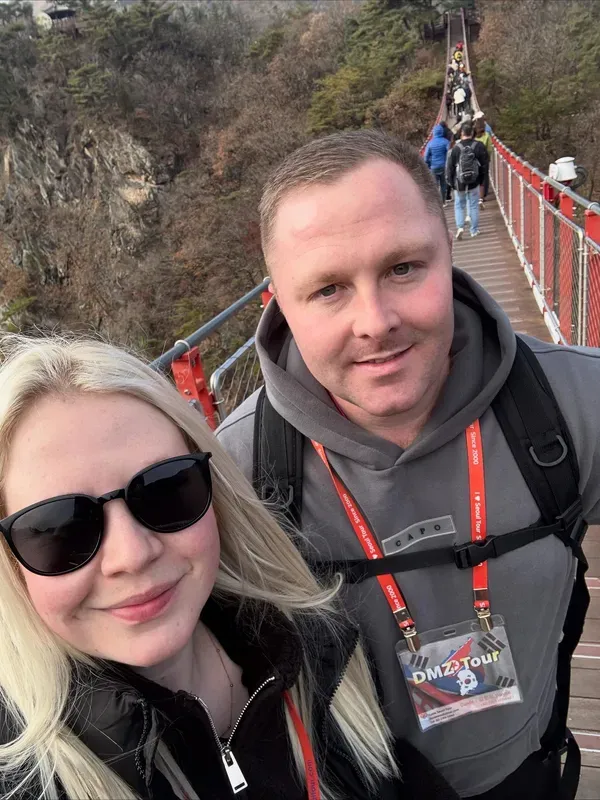
The Korean Demilitarized Zone (DMZ) is a unique historical site marking the border between North and South Korea. As the most heavily fortified border in the world, it serves as a physical reminder of the Cold War division that still exists on the peninsula today. This tour offers a direct look at the area's history and military significance. If political or military events restrict access to standard sites, a gondola ride is available as a reliable alternative to ensure visitors can still view the border zone. The tour also includes an optional visit to the Gamaksan Red Suspension Bridge. At 220 meters long and 1.5 meters wide, it is the longest suspension bridge in Korea. The structure is engineered for safety, capable of supporting 900 adults and withstanding magnitude 7 earthquakes or winds up to 30 meters per second. Its height and location provide panoramic views of the surrounding landscape, making it a popular spot for photography.
For a full refund, cancel at least 24 hours before the scheduled departure time.
Chinese, English


This tour visits the Korean Demilitarized Zone (DMZ), where you will go underground into the Third Infiltration Tunnel and view North Korea from the Dora Observatory. The itinerary includes historical sites such as the Bridge of Freedom and Imjingak Park, providing a direct look at the history of the Korean division. Beyond the border sites, the trip includes a walk across the Mt. Gamaksan Suspension Bridge and a stop at an NK&JSA themed photo booth. Participants also receive one free round at the Airport Shooting Range, with options for sniper rifles, handguns, or bolt-action rifles. You must bring your passport for security checks. At the end of the day, drop-off is available at Hongdae, Myeongdong, Gwangjang Market, or Dongdaemun.
For a full refund, cancel at least 24 hours before the scheduled departure time.
Korean, English


The DMZ stands as a physical reminder of the Cold War, marking the border between North and South Korea. As the most heavily fortified boundary in the world, it offers a rare perspective on a country that remains divided by history. This tour provides an opportunity to see the security installations firsthand while learning about the region's complex past. Beyond the military history, the area is home to preserved natural landscapes. You will visit the mountains to cross the suspension bridge and walk along the wooden boardwalk that follows the lake. These scenic spots offer a quiet contrast to the border's intensity, showcasing the rugged beauty of the Korean countryside.
For a full refund, cancel at least 24 hours before the scheduled departure time.
Chinese, English


This tour from Seoul takes you into the Korean Demilitarized Zone to explore its most significant historical sites. You will walk through the Third Infiltration Tunnel, dug by North Korean forces, and visit the Dora Observatory. From the observatory, you can look across the border into North Korea to see Kaesong City and the propaganda village on clear days. The day concludes with a visit to the JSA Experience Museum, a site restricted to only two tour agencies. Unlike standard DMZ tours, this stop provides a detailed look at the Joint Security Area through historical archives, war photos, and multimedia displays. You will also see recreated T2 and T3 conference rooms, offering a closer look at the location where North and South Korean officials meet.
For a full refund, cancel at least 24 hours before the scheduled departure time.
Chinese, English, Spanish


Your journey begins with a trip to Paju to visit Imjingak Peace Park, a site dedicated to the history of the Korean War. Here, you will see the Bridge of No Return, the historic derailed locomotive, and the Mangbaedan altar. During this portion of the tour, there is an optional opportunity to meet with a North Korean defector to hear their perspective on life across the border. After your guide secures entry tickets, you will board a shuttle to enter the civilian control zone for the official DMZ tour. This segment includes a walk through the 3rd Tunnel of Aggression, which was dug by North Korean forces, and a stop at the Dora Observatory, where you can view North Korean territory. You will also visit Unification Village to browse local souvenirs produced within the restricted zone. The final part of the day features a visit to a BB sniper range, where you can try various airsoft guns, and the N.Korea & JSA Museum for themed photo opportunities. The tour concludes with a visit to the scenic Gamaksan Suspension Bridge before returning to the city.
For a full refund, cancel at least 24 hours before the scheduled departure time.
Korean, English


Since the armistice agreement was signed on July 27, 1953, the DMZ has served as a buffer zone to prevent the resumption of conflict. This tour provides a historical overview of the Korean War and the decades of division that followed. We will explore the geopolitical landscape of the peninsula, moving from the events of the 1950s to the current state of affairs. Because the DMZ itself is a restricted, heavily mined border, this tour takes you into the military zone just outside its perimeter. You will visit the 3rd Infiltration Tunnel, which was dug by North Korea, and an observatory that offers a clear view across the border. This allows you to see the reality of the division firsthand while remaining in a safe, accessible area. Please note that this is a standard DMZ tour and does not visit the Joint Security Area (JSA), where the 2019 summit between the US and North Korea took place. If you are looking for Panmunjom, please search for a JSA-specific tour. You must bring your physical passport to clear the military checkpoints.
For a full refund, cancel at least 24 hours before the scheduled departure time.
English

This tour provides a detailed look at the Korean War and the current border situation through the eyes of an experienced guide. You will visit key sites including Imjingak Peace Park, the 3rd Tunnel, and the Dora and Dorasan Observatories, where you can look across the border into North Korea. The itinerary also covers Unification Village, giving you insight into daily life within the high-security zone. Following the DMZ visit, your guide will recommend a local restaurant for a traditional Korean lunch based on your preferences. In the afternoon, you can choose to visit the North Korea Museum for themed photos or hike ten minutes up a steep path to the Mt. Gamaksan suspension bridge. If time permits, you can add one or two stops in Seoul or near the DMZ before being dropped off at your hotel or preferred city location.
For a full refund, cancel at least 24 hours before the scheduled departure time.
Korean, English, Chinese (China)